“It belongs to totalitarian thinking to conceive of a final conflict at all. There is no finality to history — the story told by it is a story with many beginnings but no ends.”
— Hannah Arendt, quoted by Lyndsey Stonebridge in We Are Free to Change the World, 2024, page 24
“Maybe it’s this. An oppressed people’s beliefs are not benign just because they lack power. Beliefs are good or bad on their own merits, because nothing stays the same. Demographics change. Empires weaken. Insurgents take charge. Without a clear set of ethics that respects human life, today’s victims transform into tomorrow’s killers. Oppressed becomes oppressor the moment the power flips.”
— Molly Crabapple, Where We Live Is Our Country: The Story of the Jewish Bund, 2026, page 372
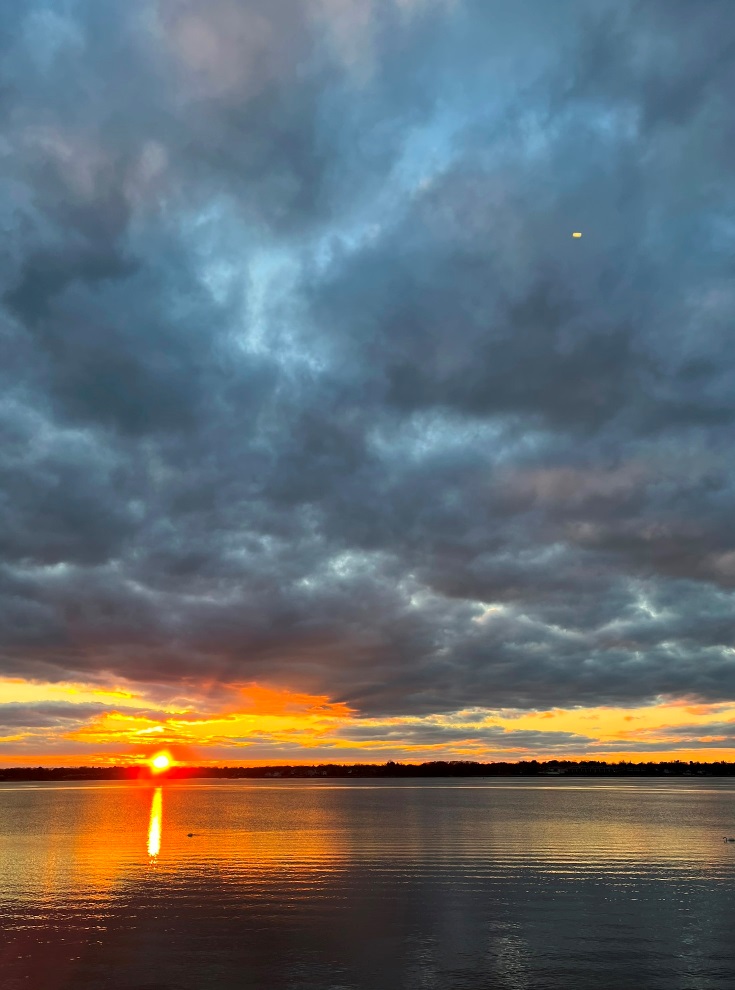
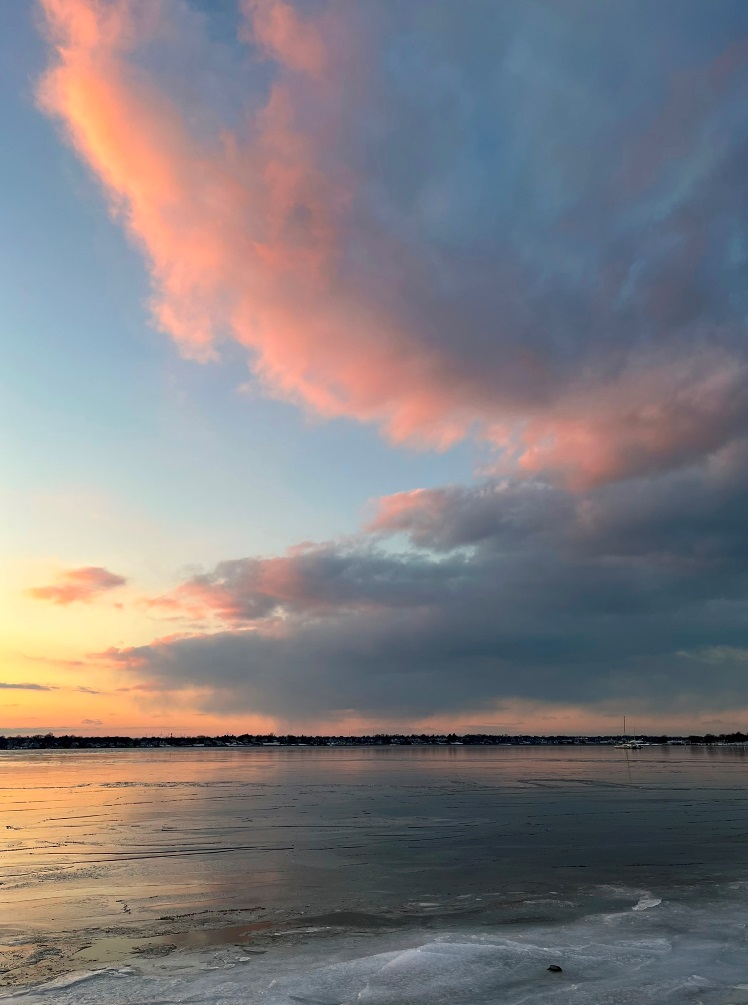
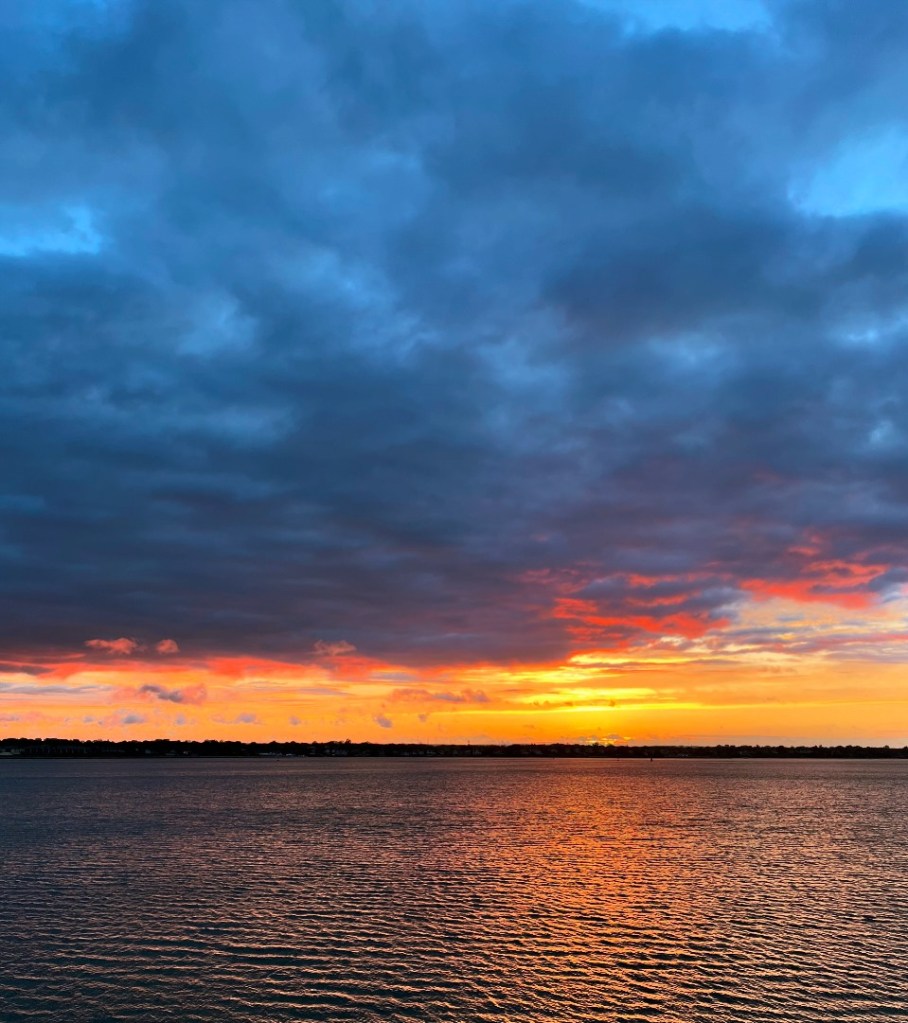
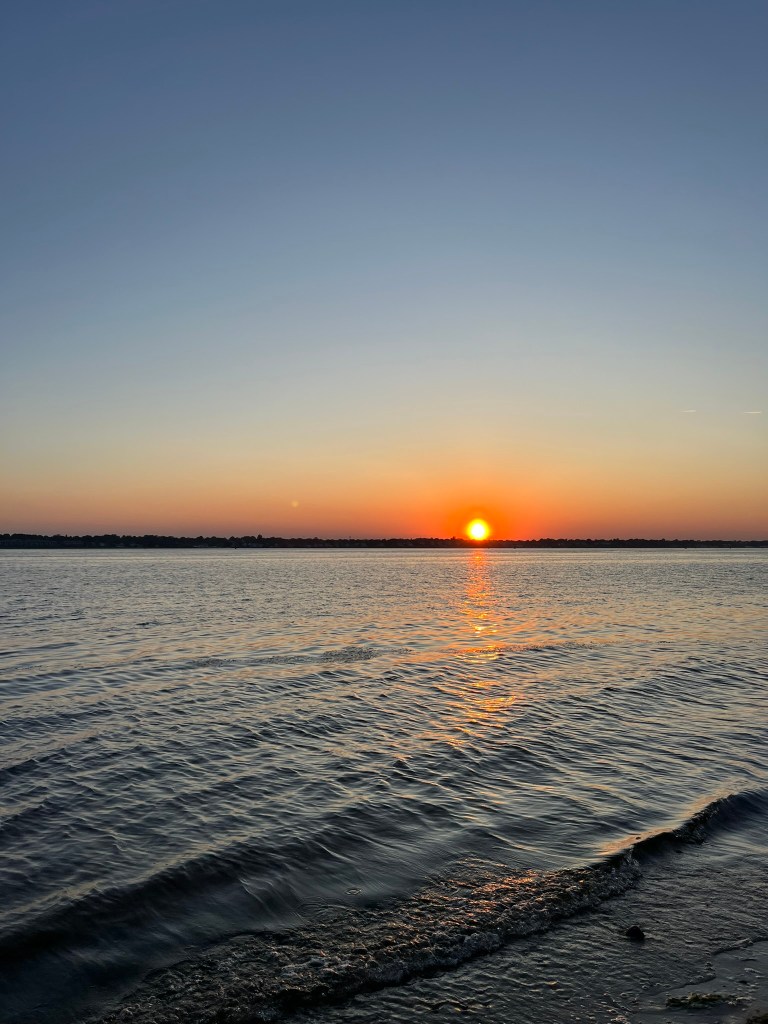
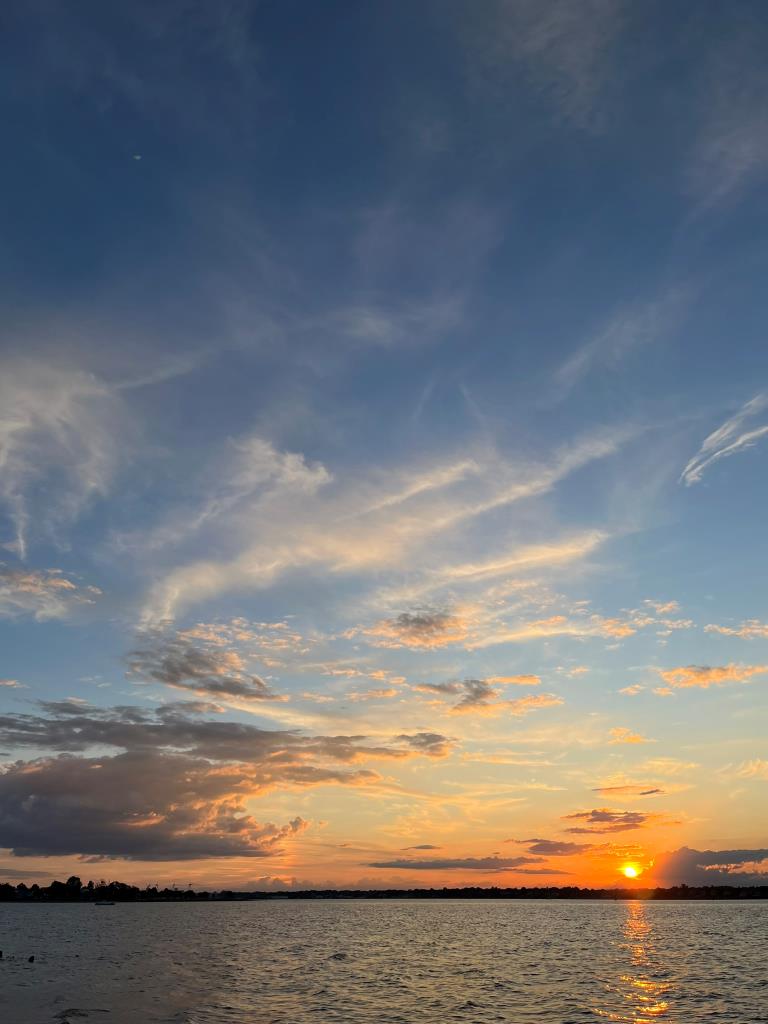
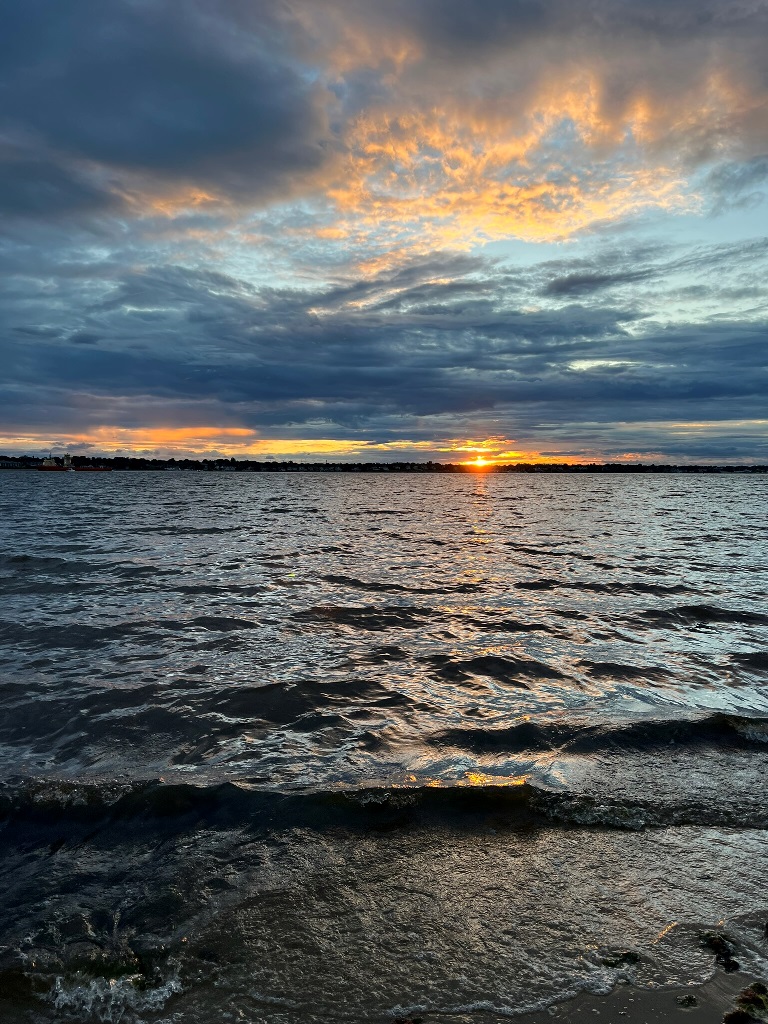
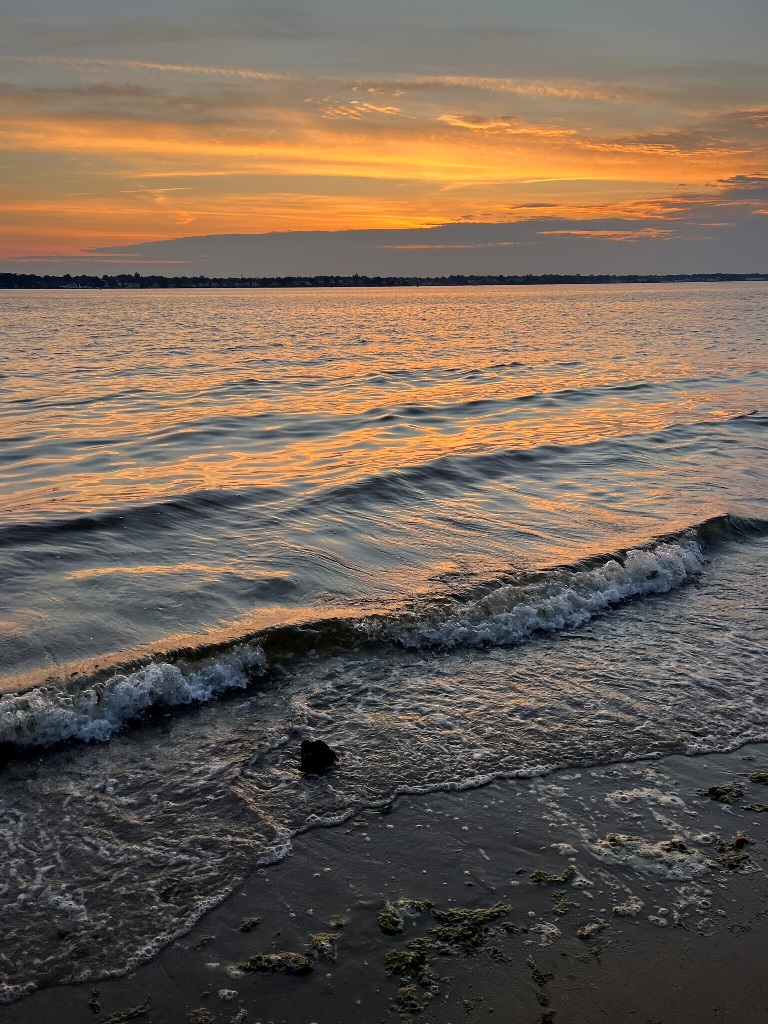
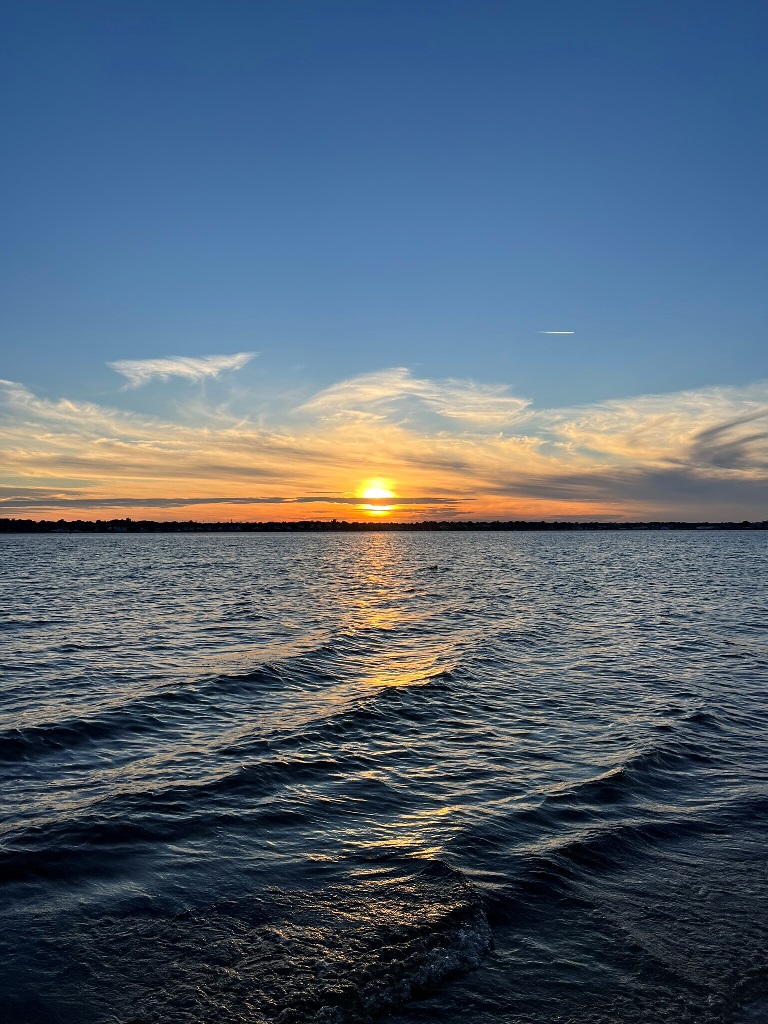
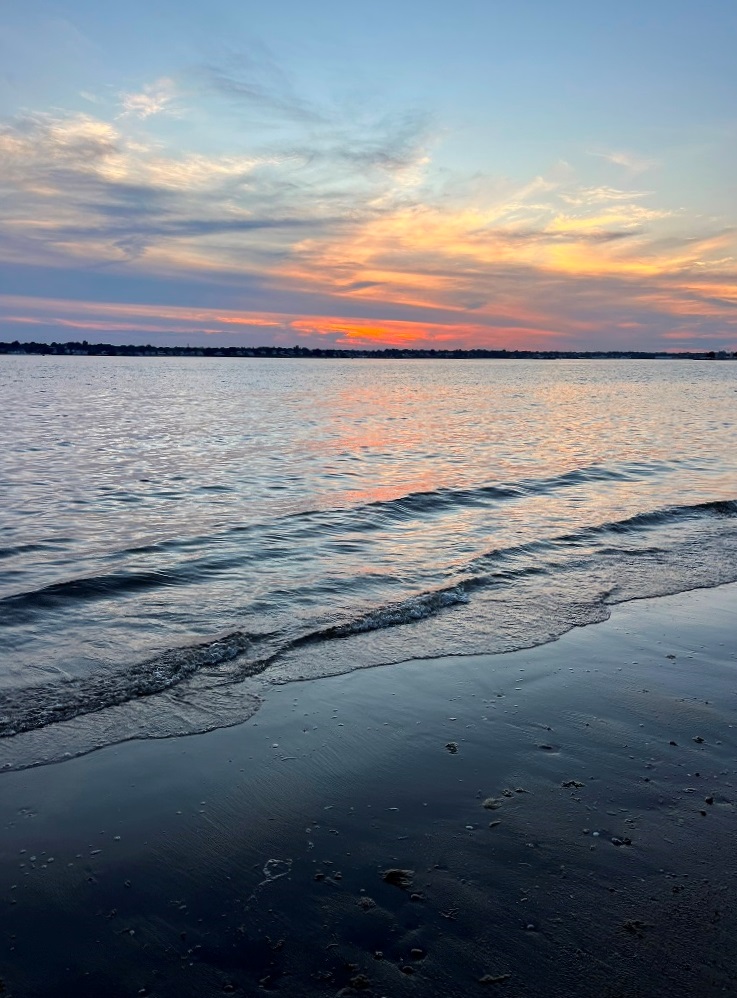
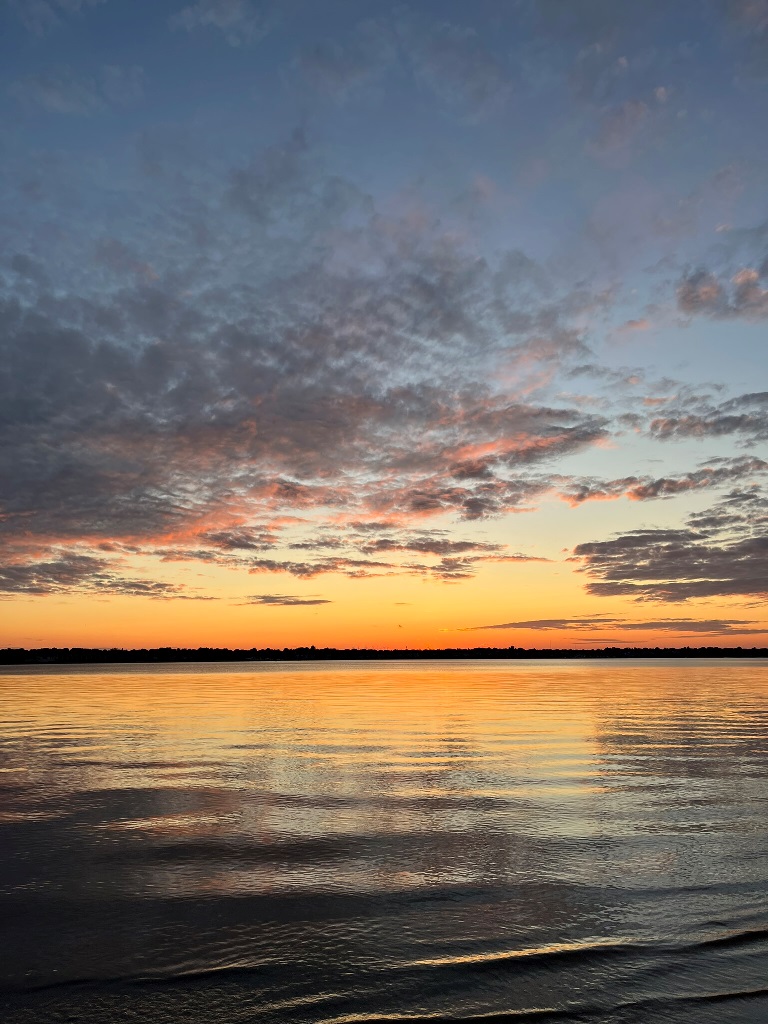
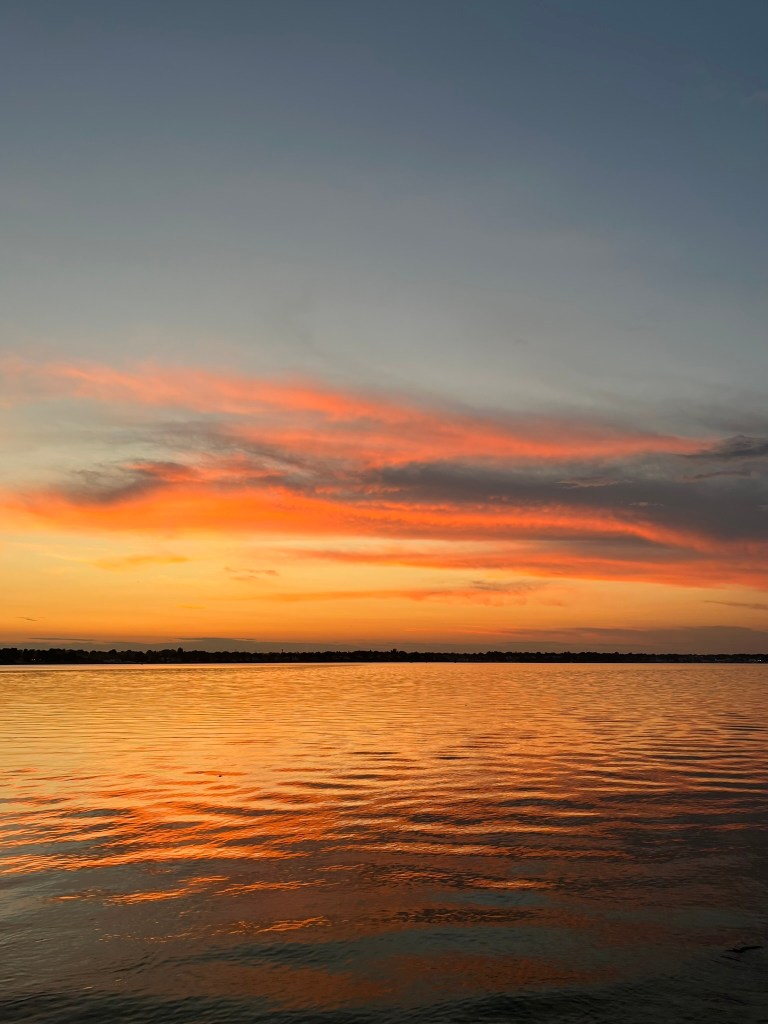
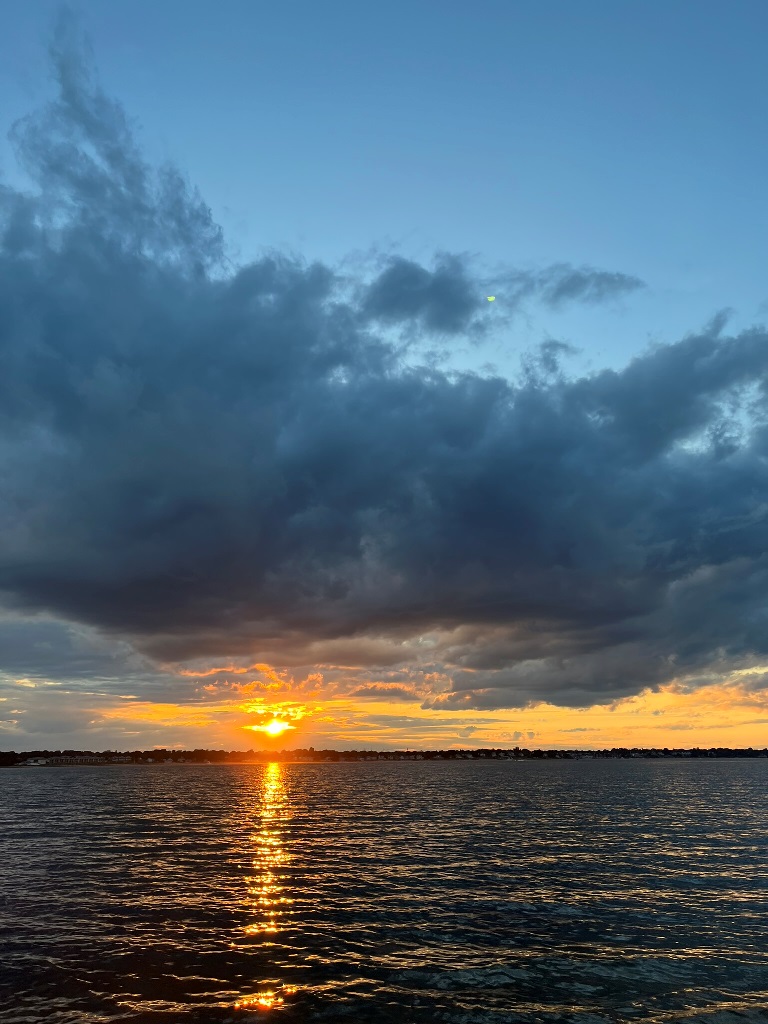
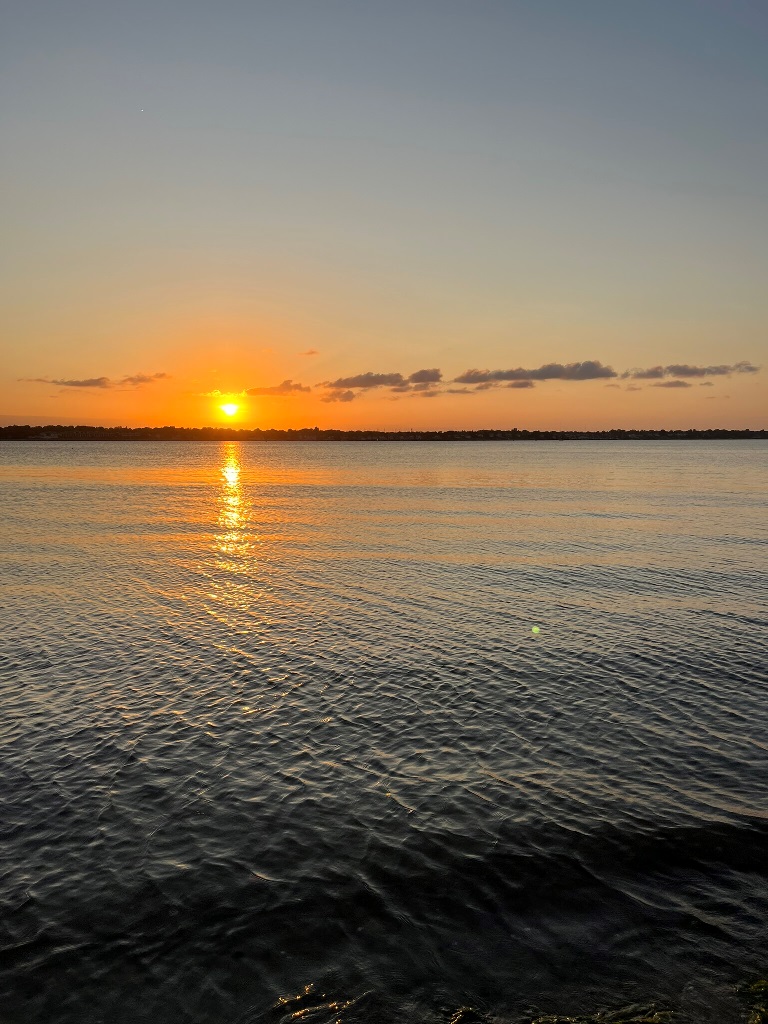
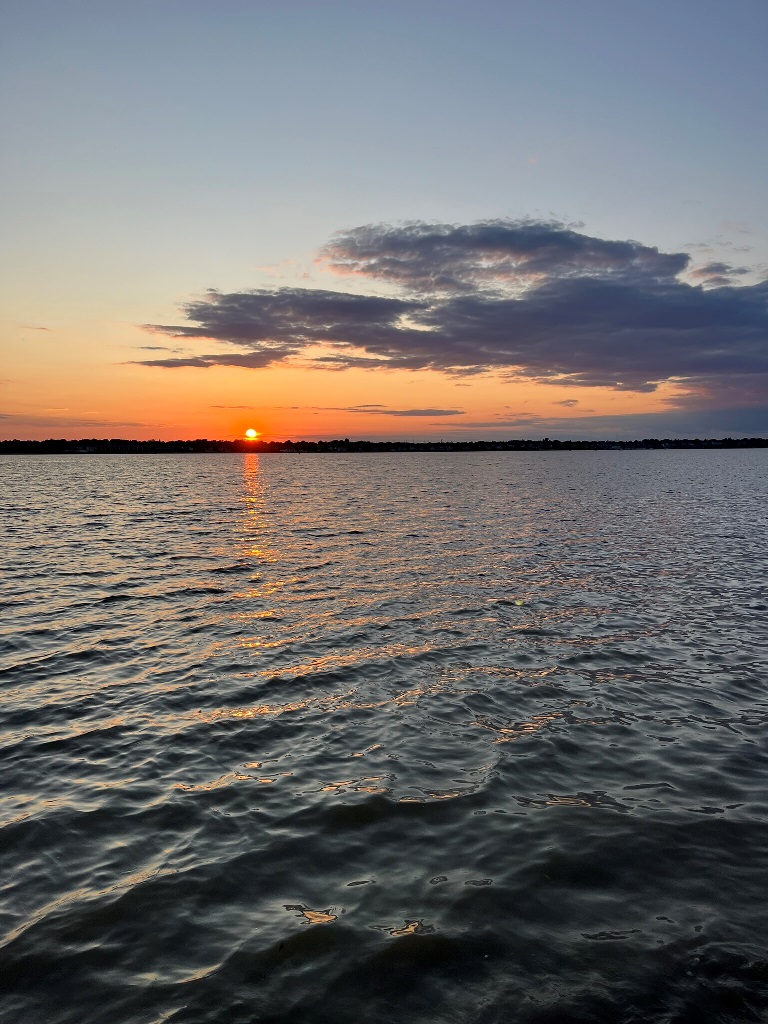
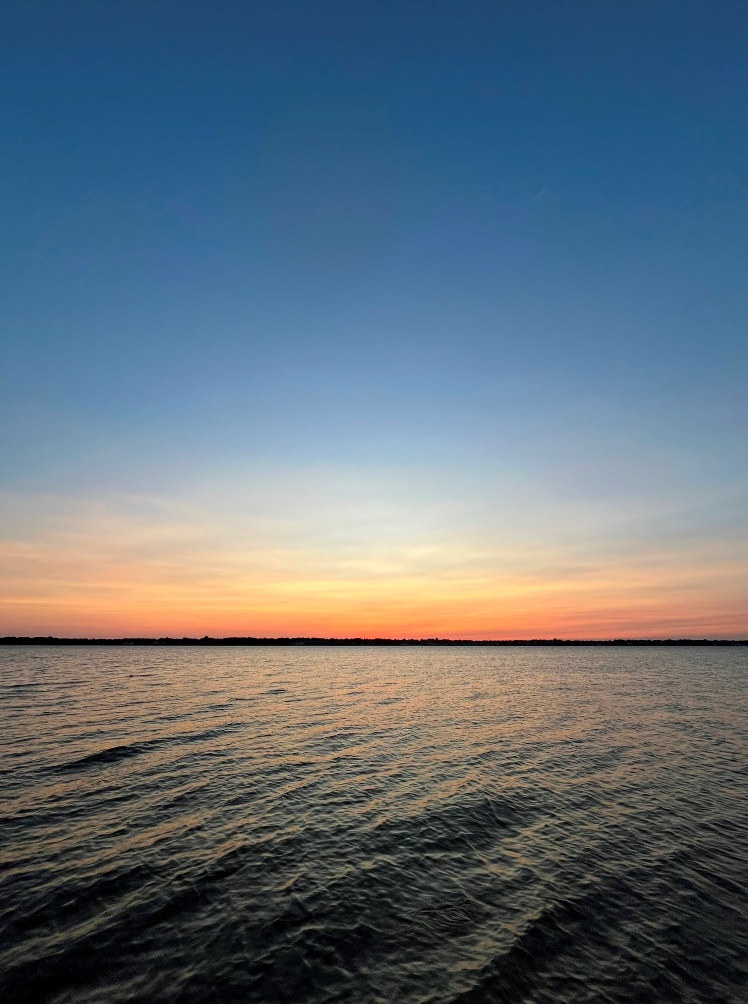
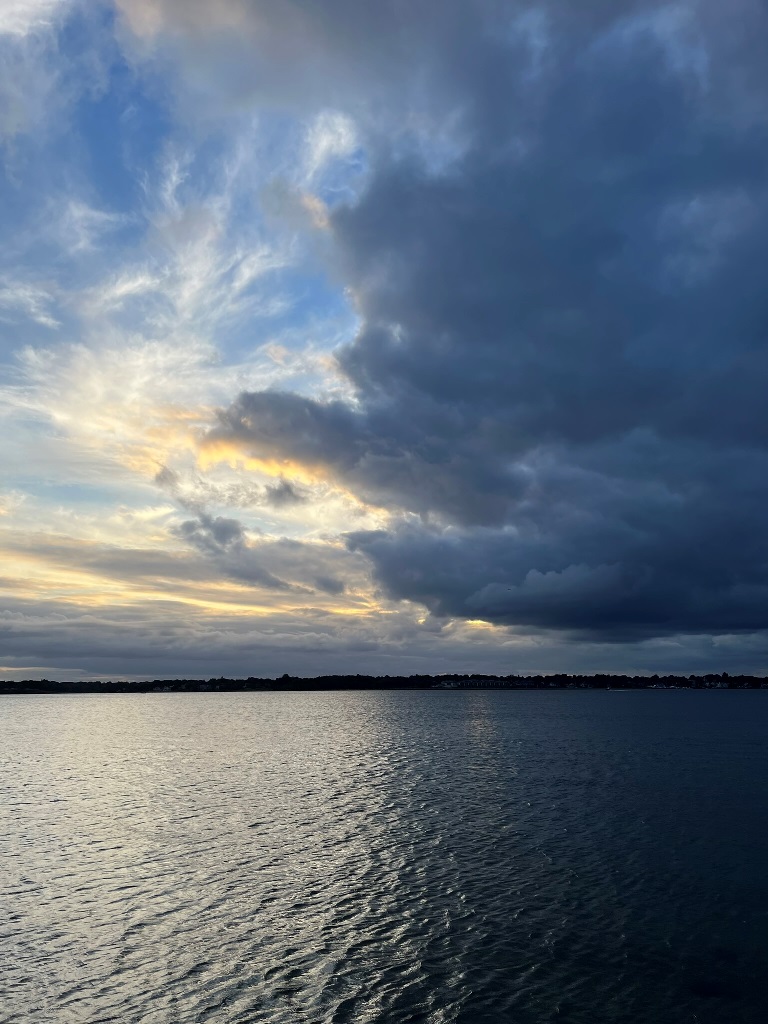
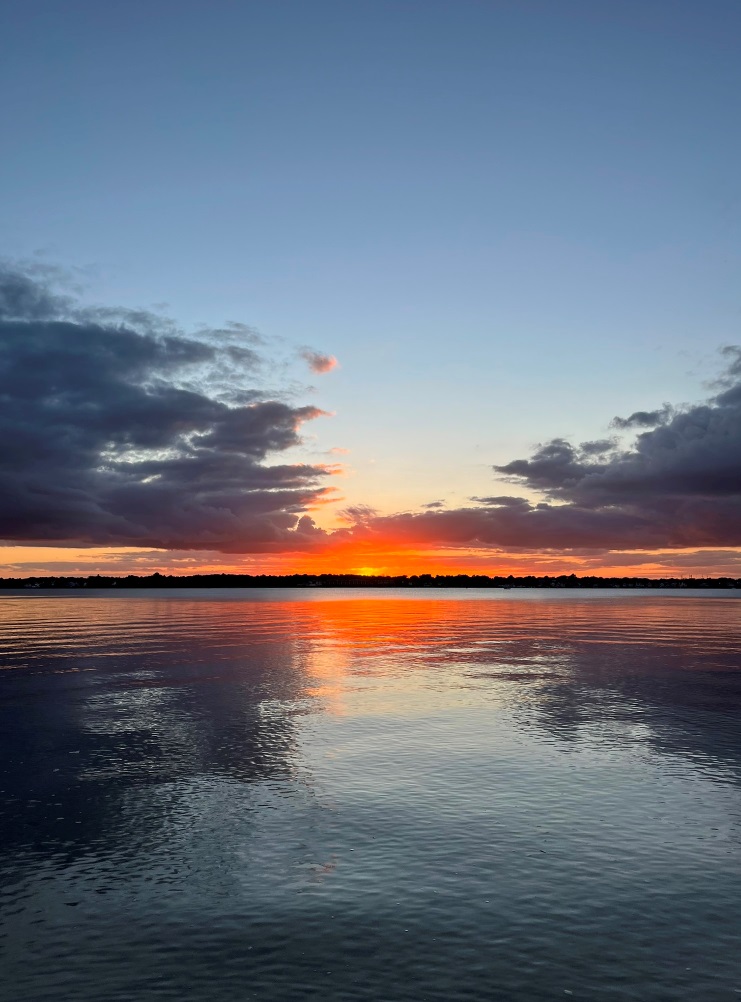
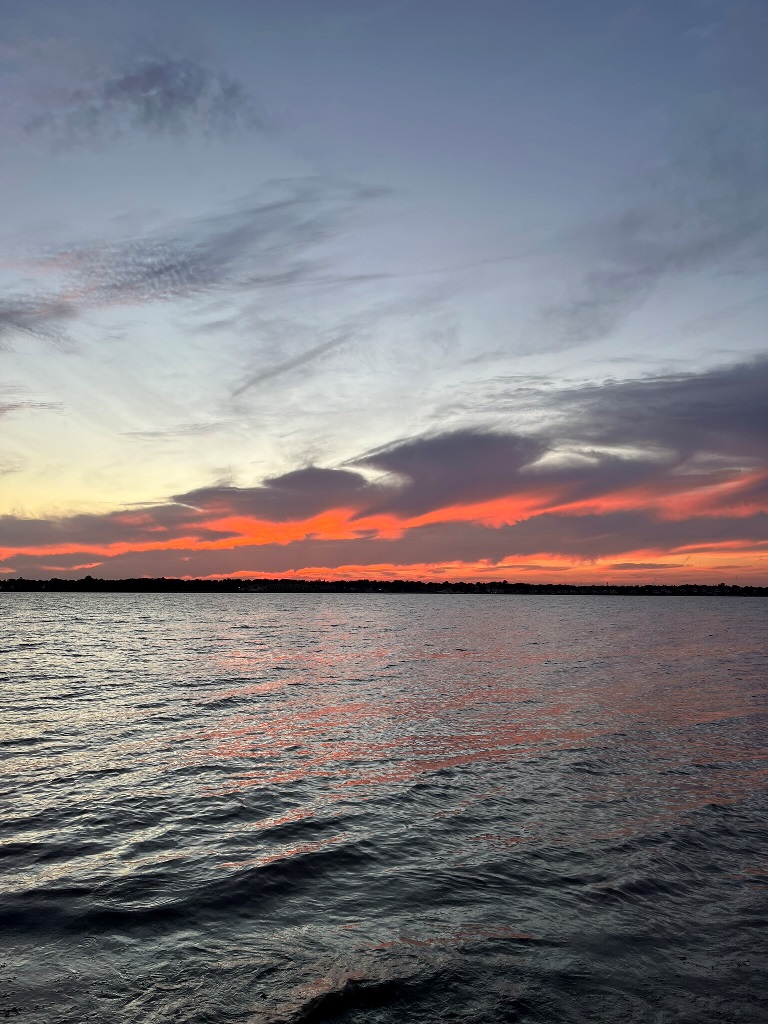
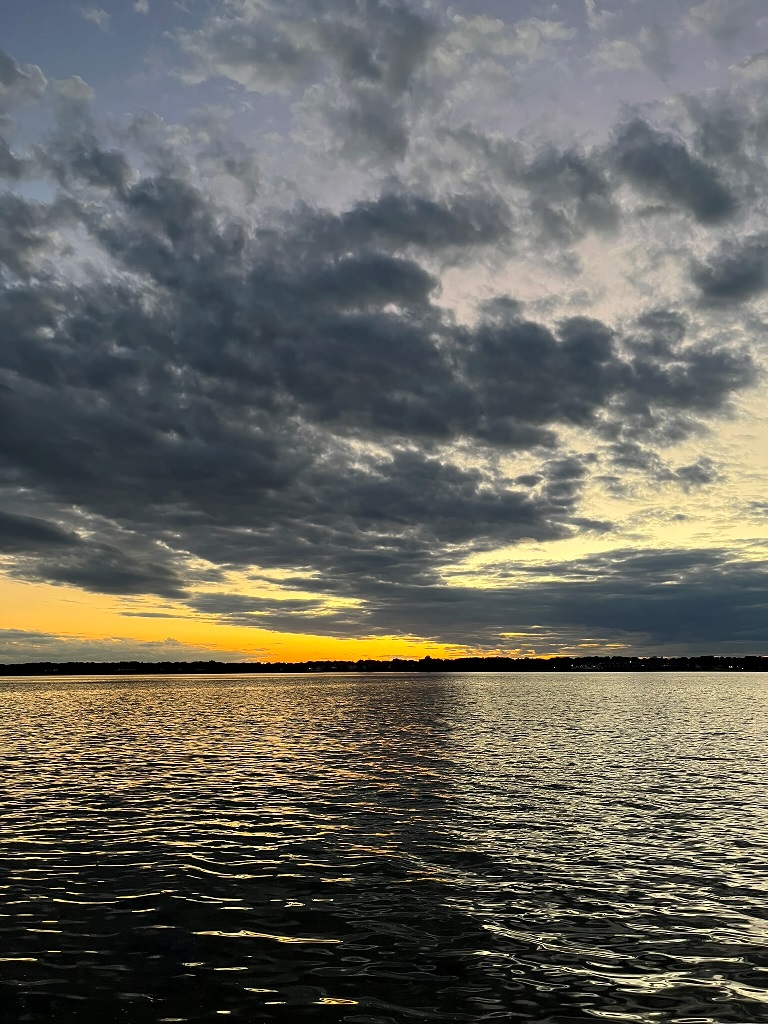
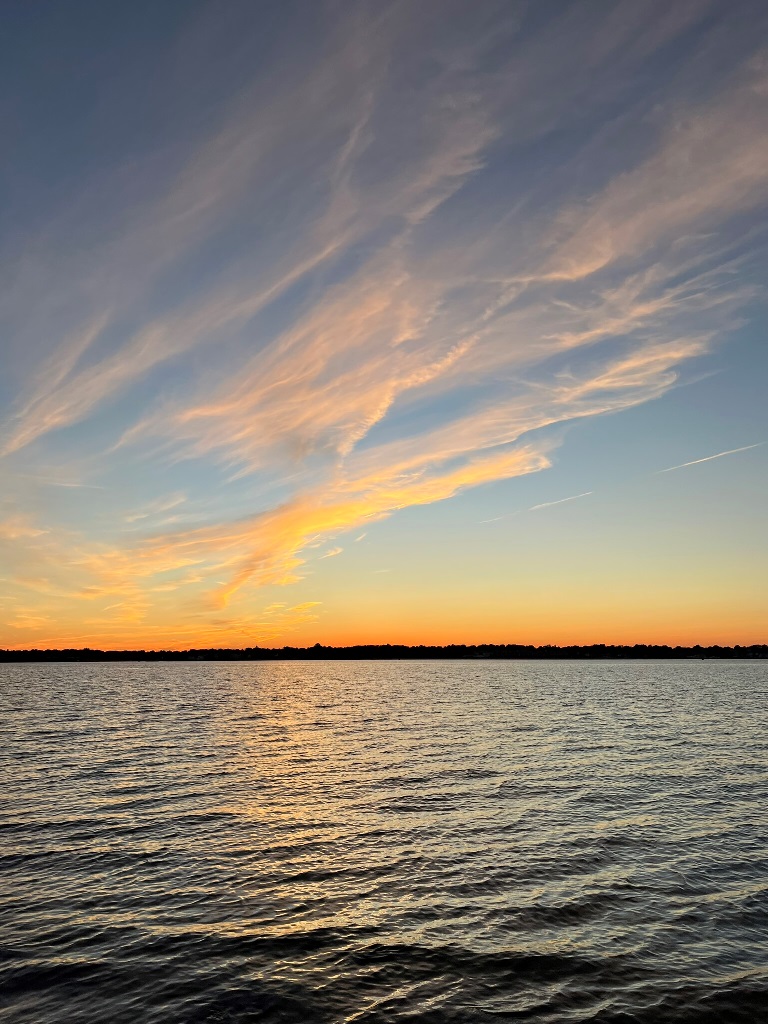
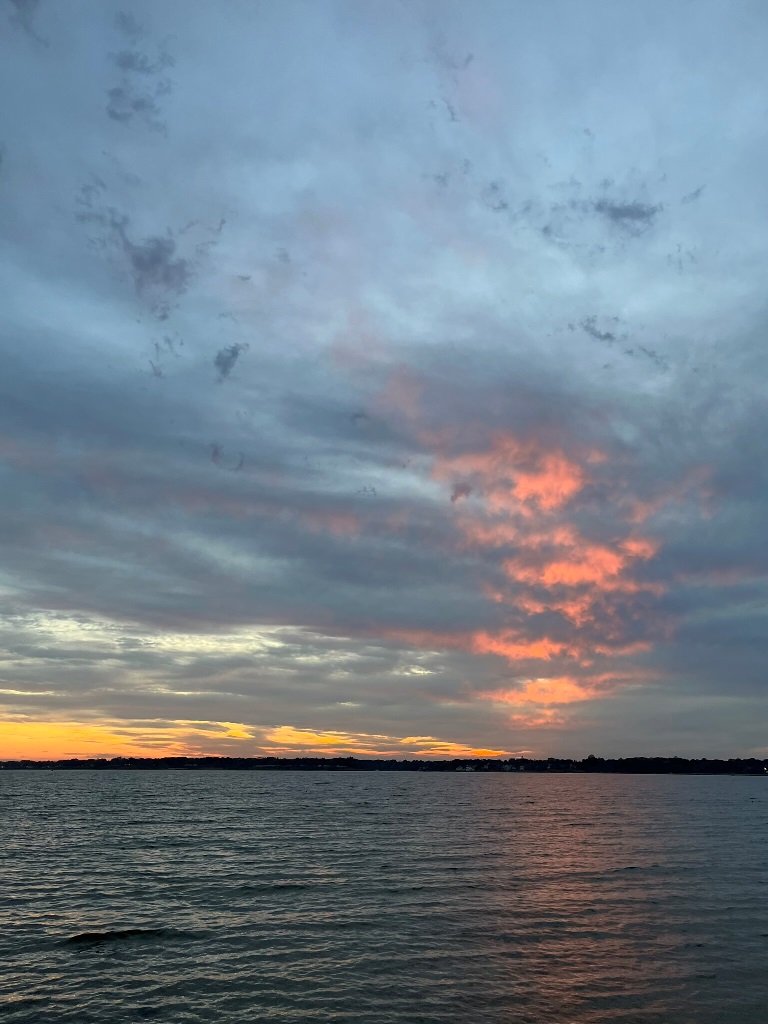
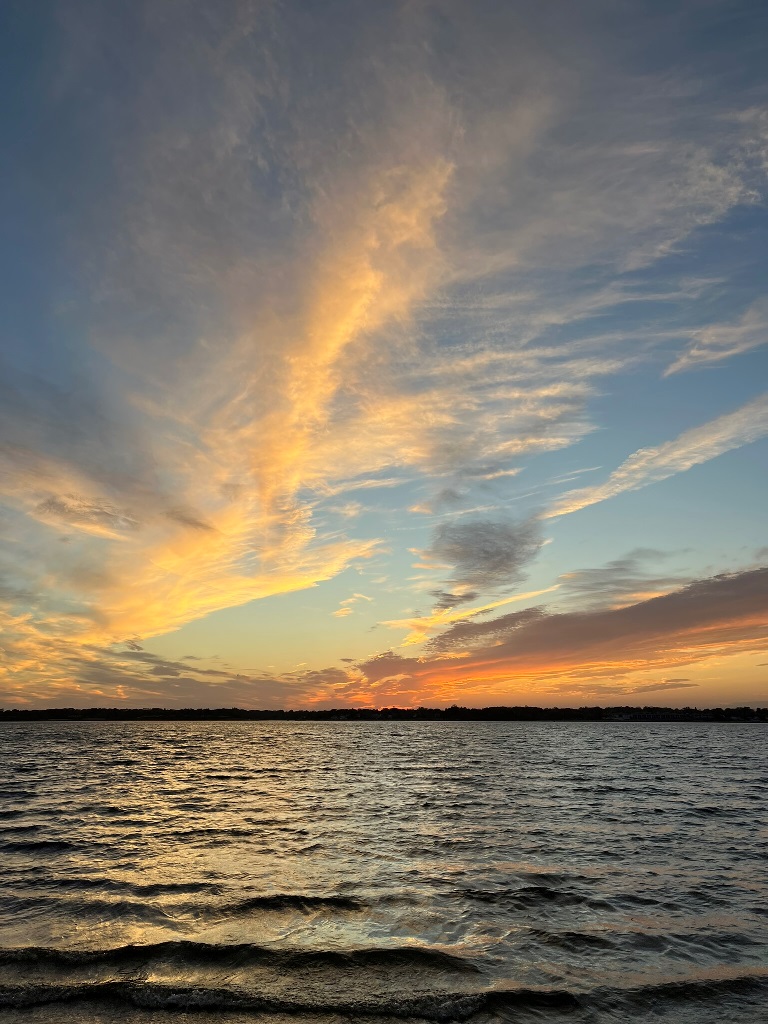
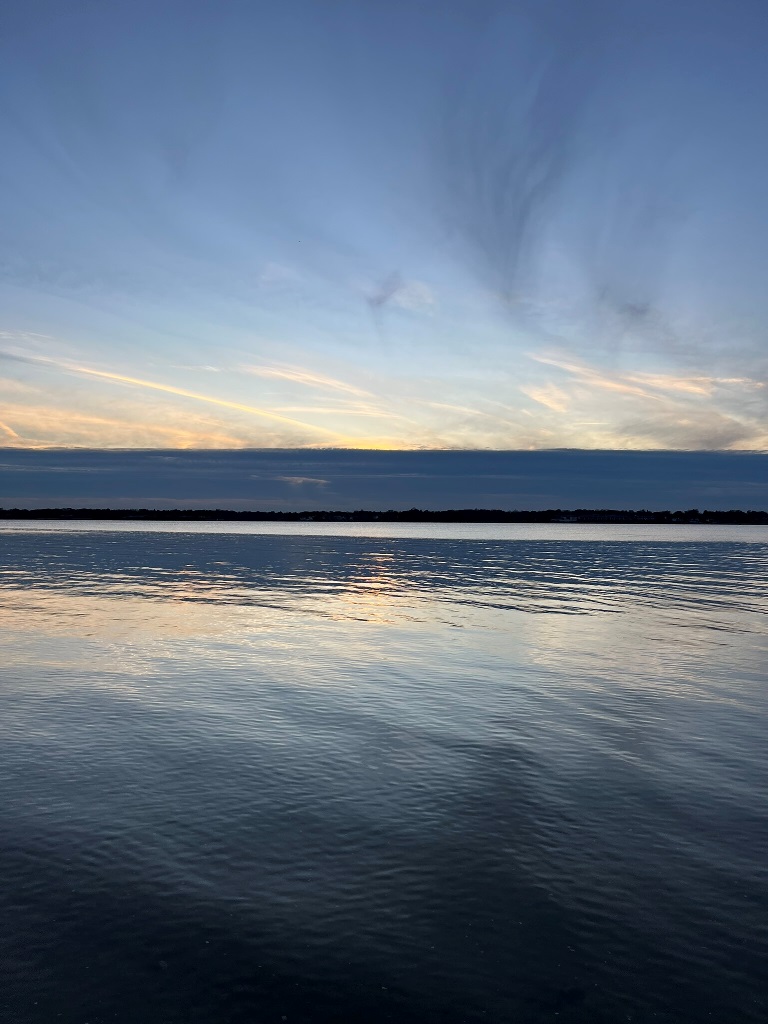
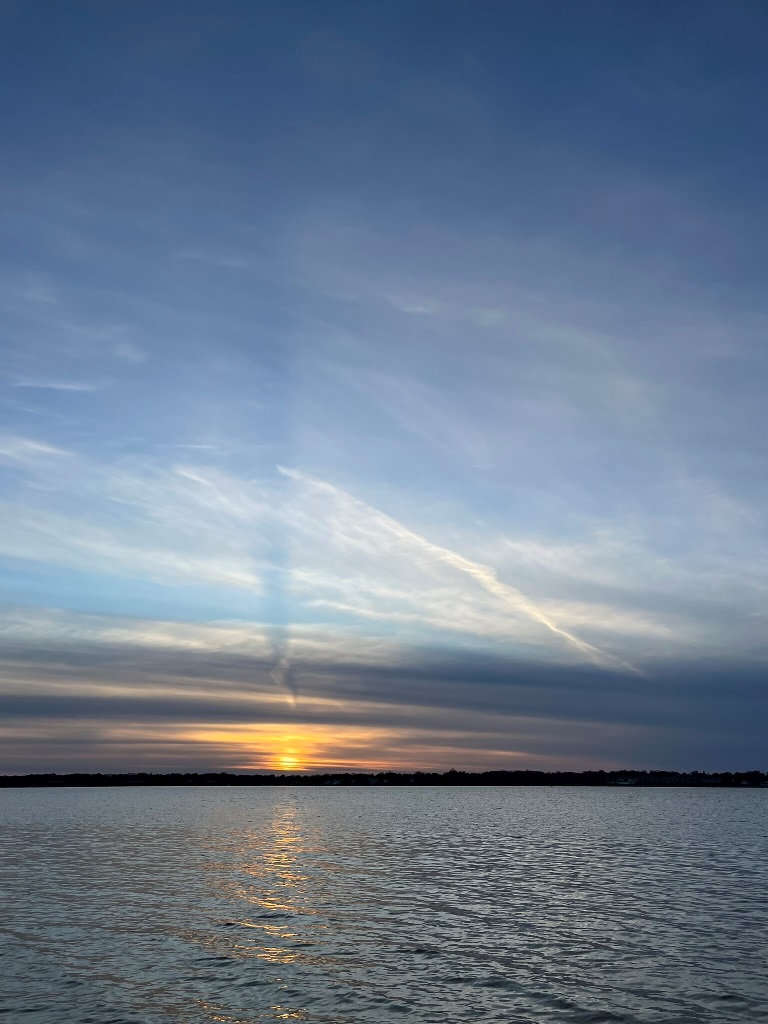
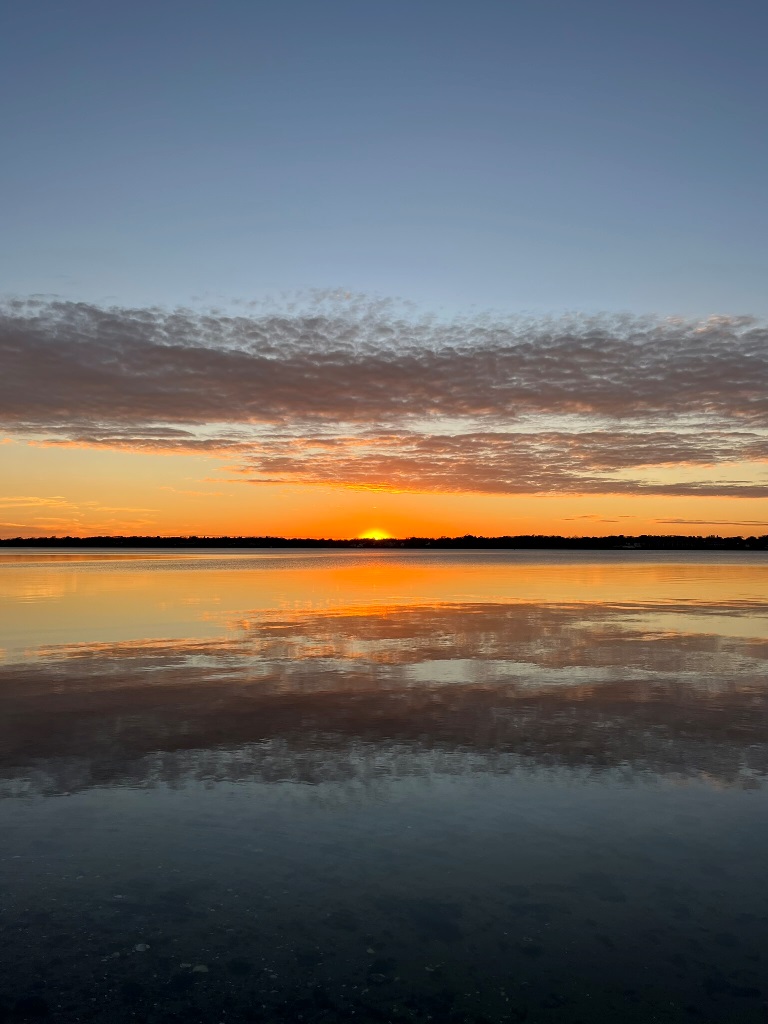
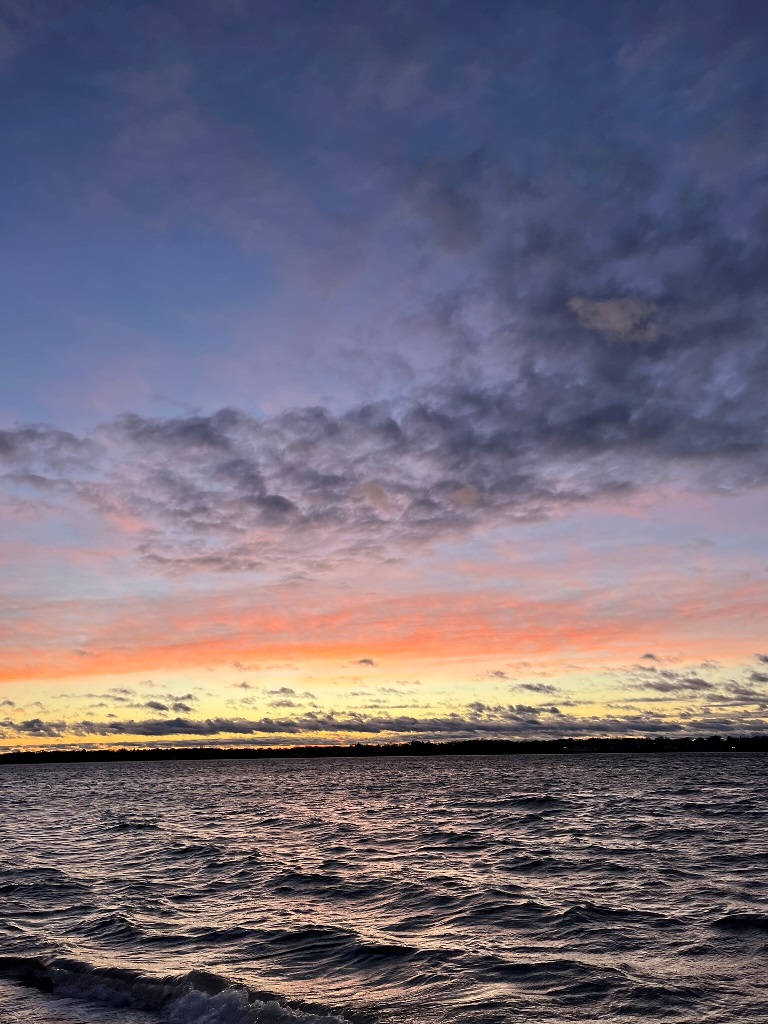
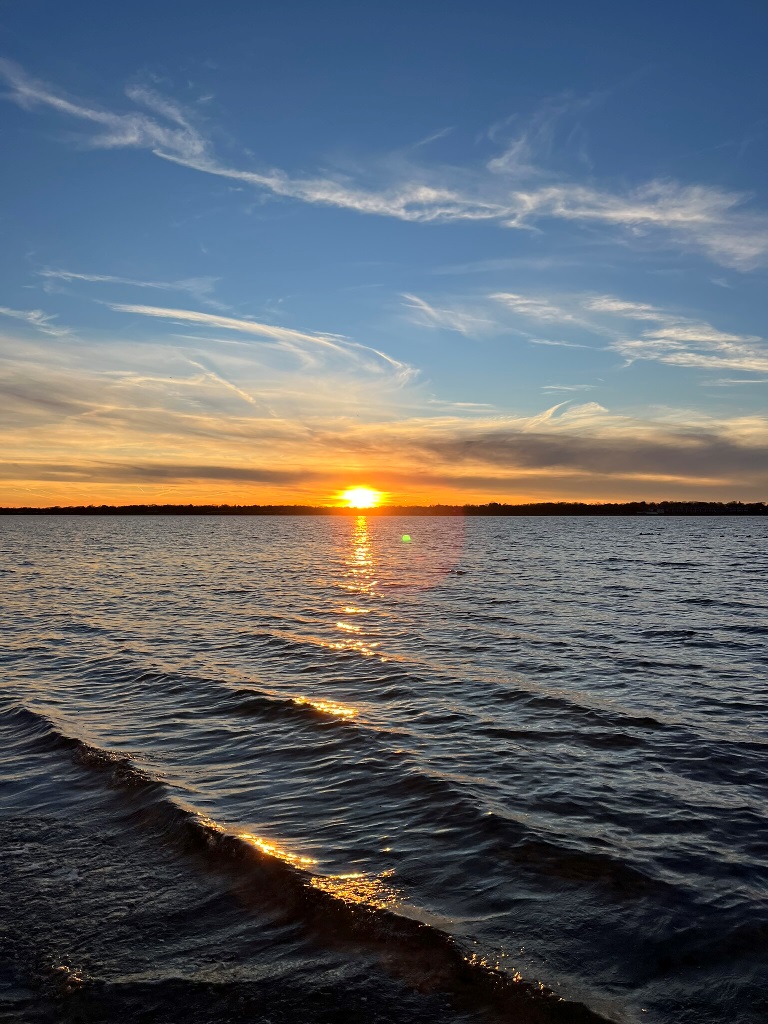
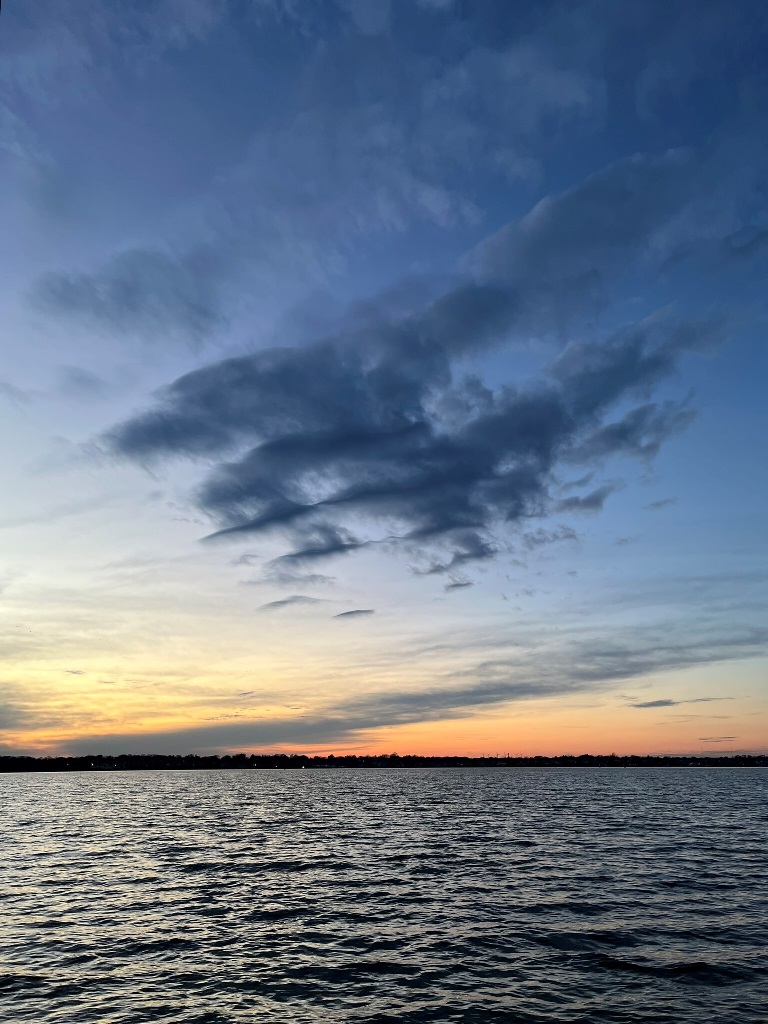
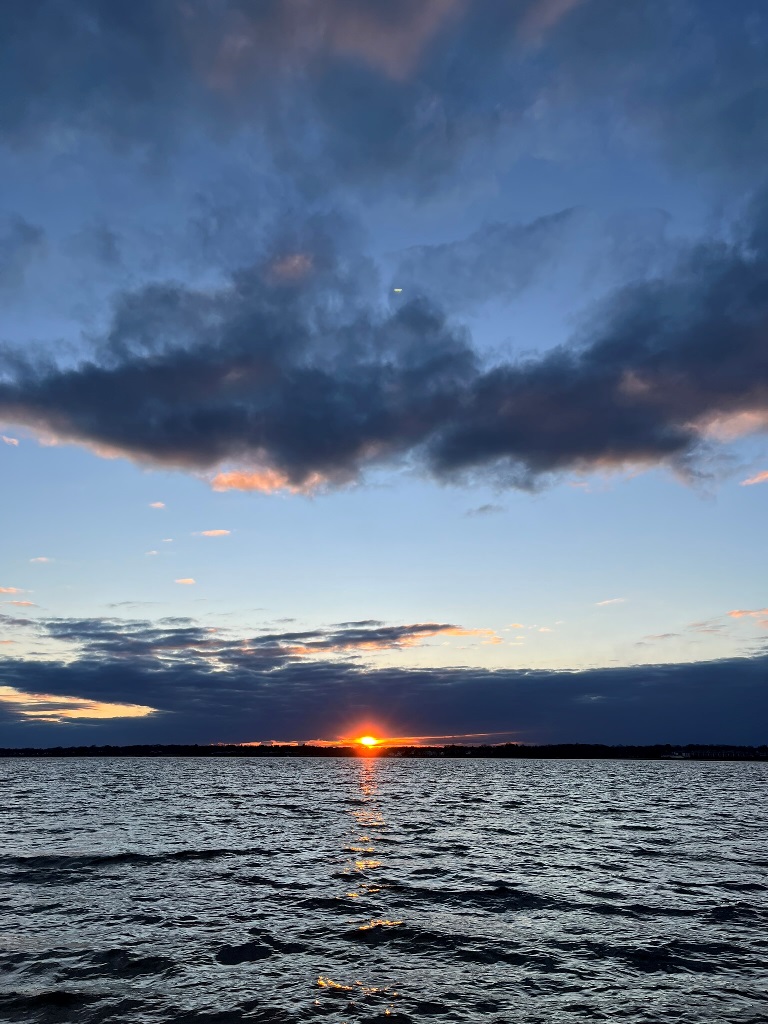
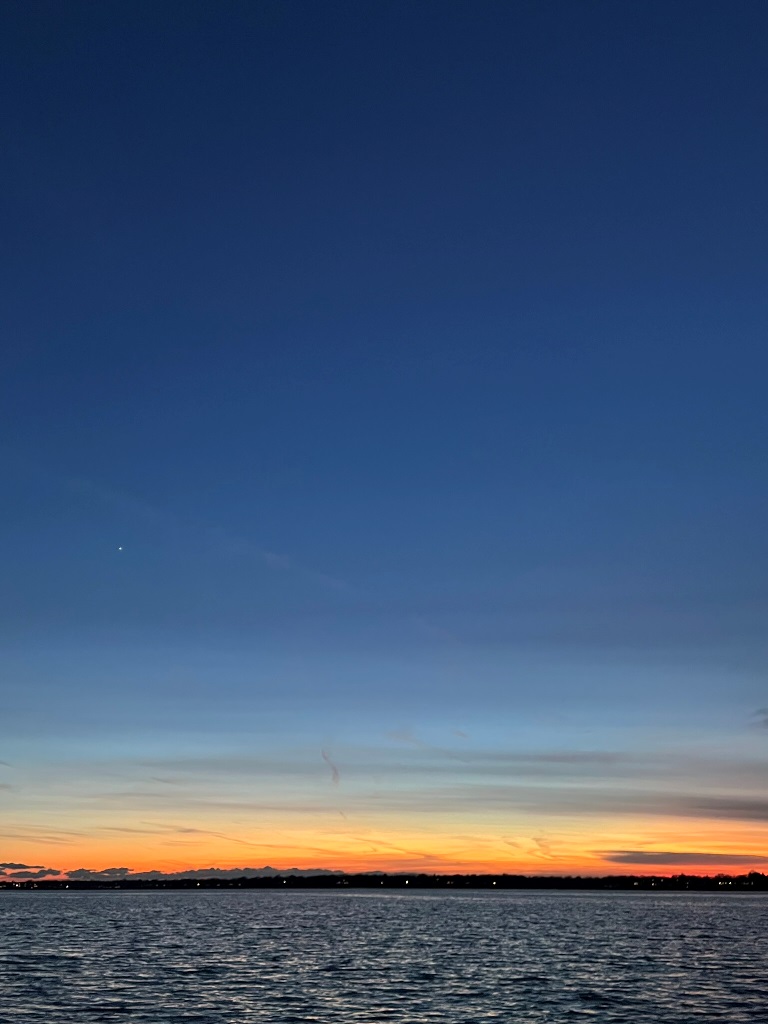
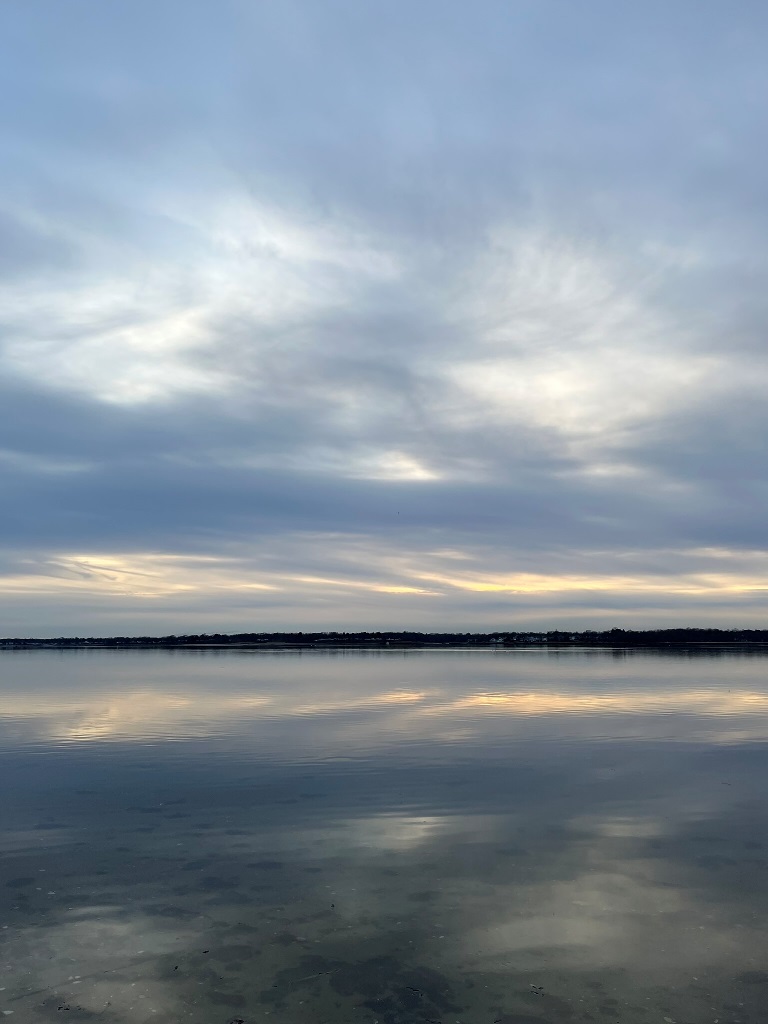
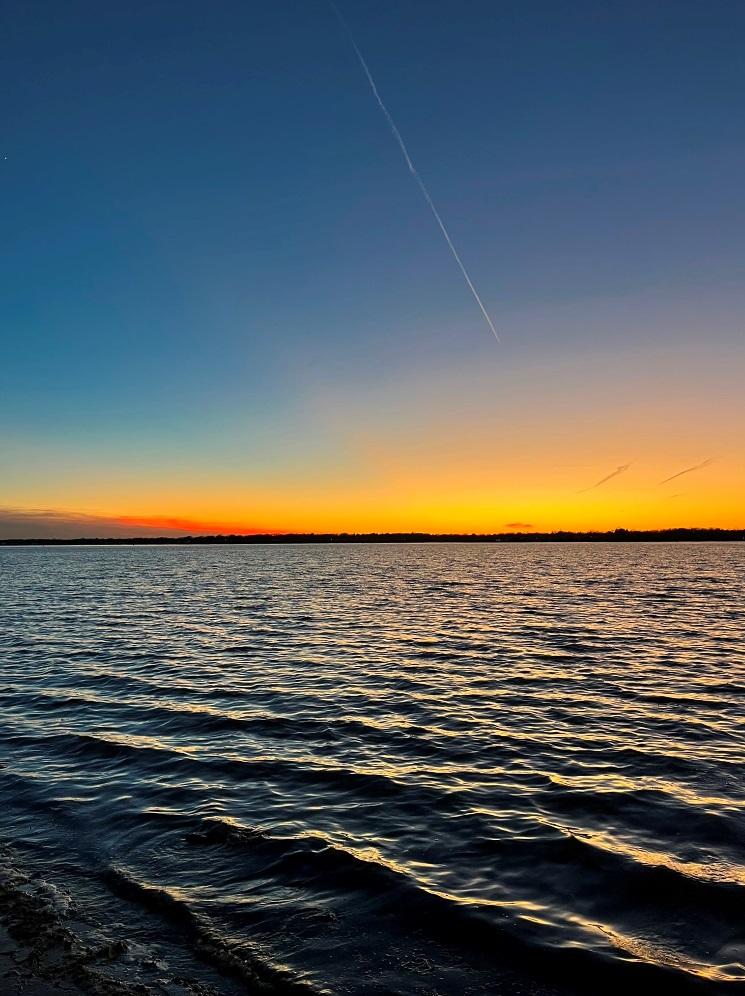
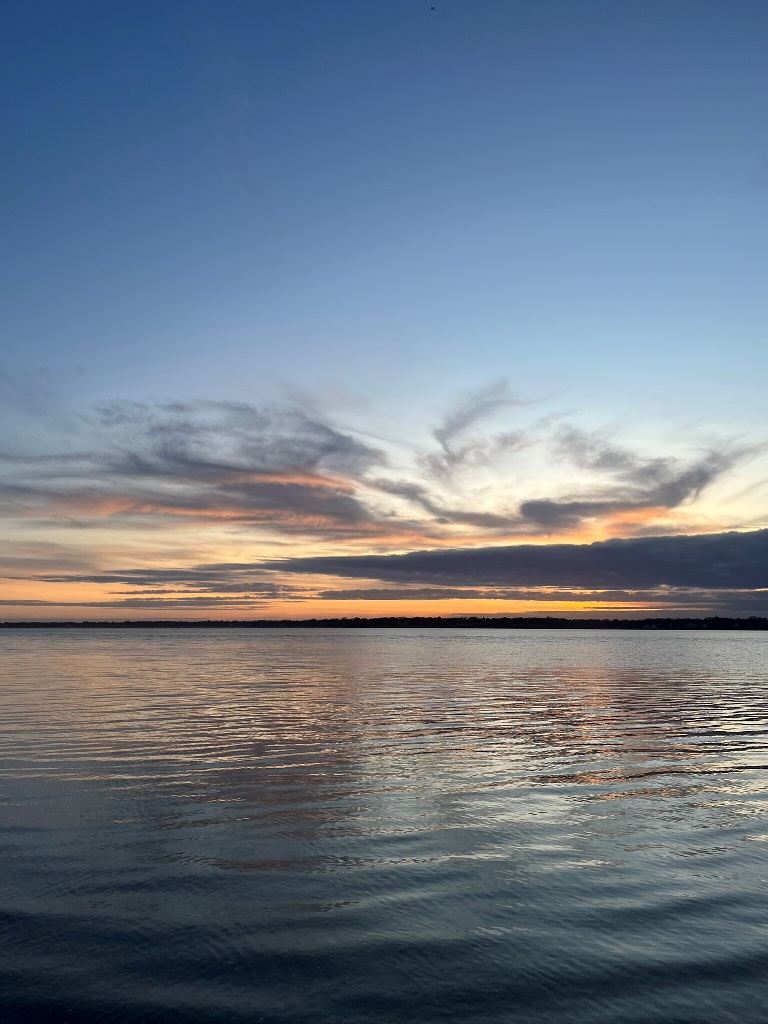
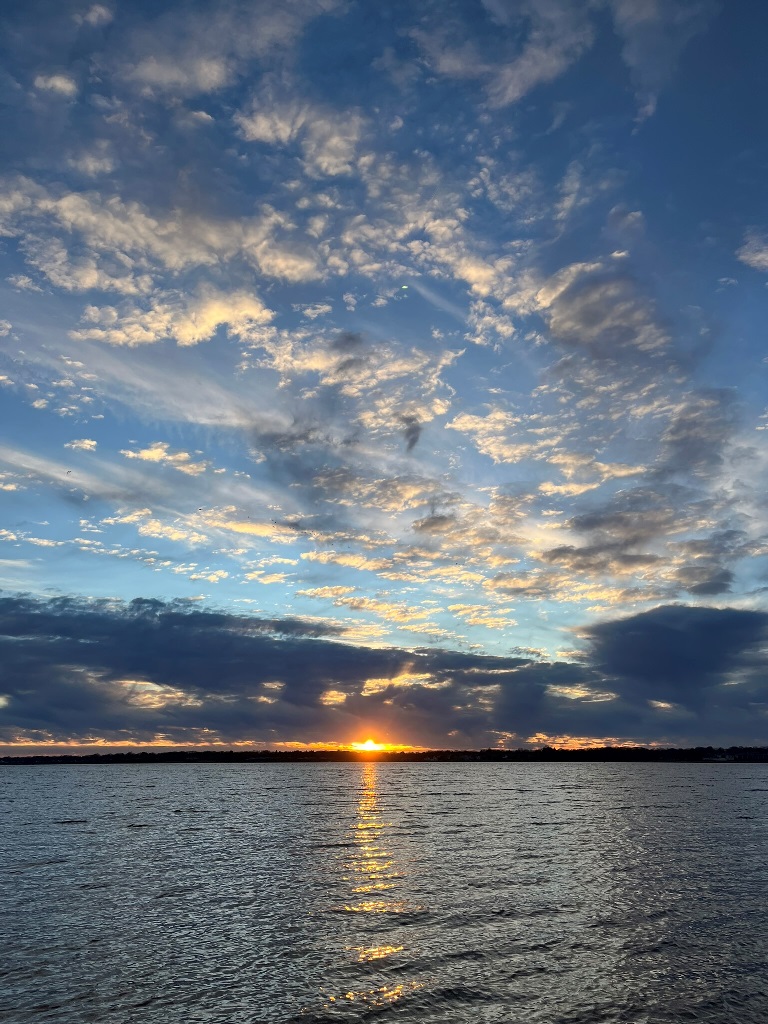
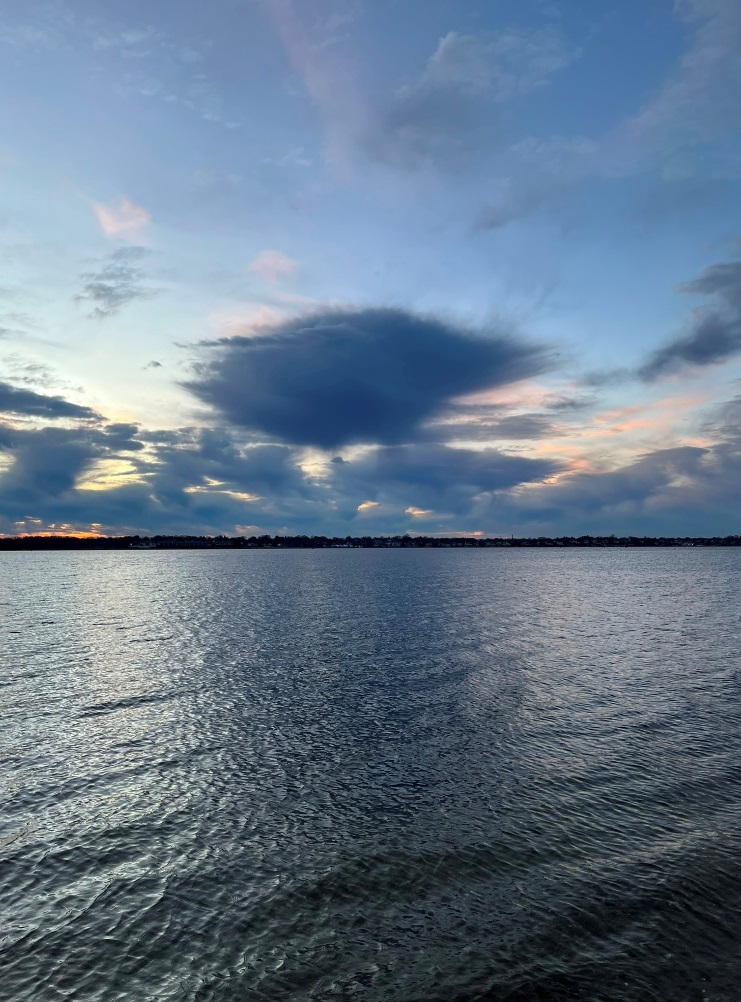
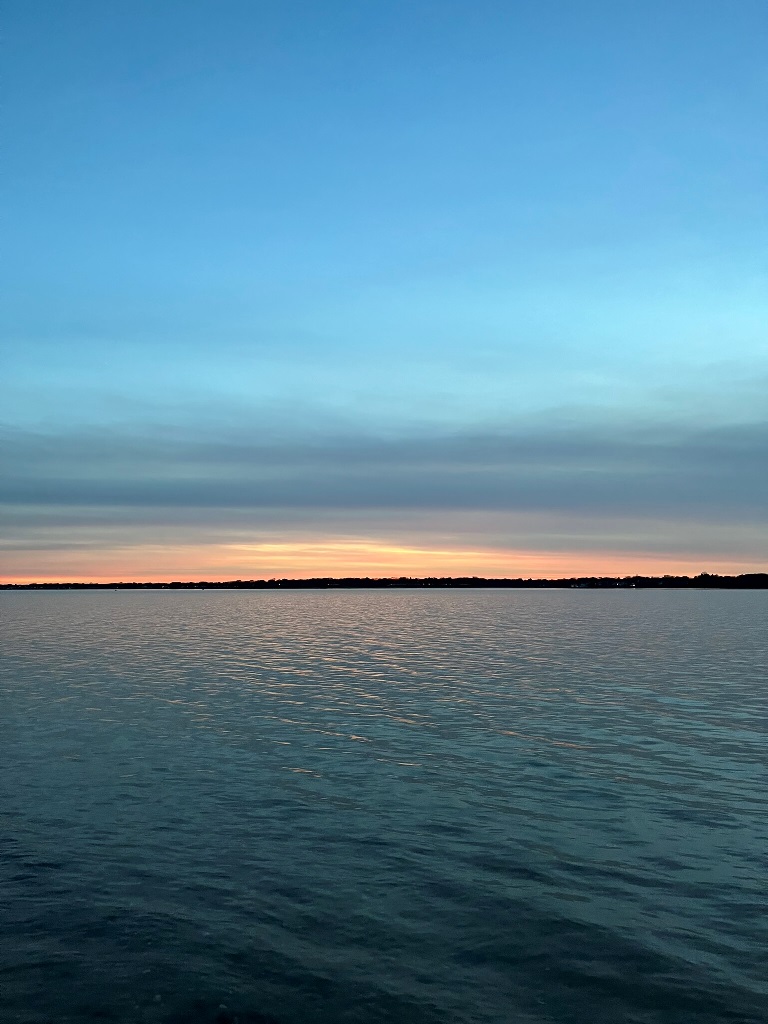
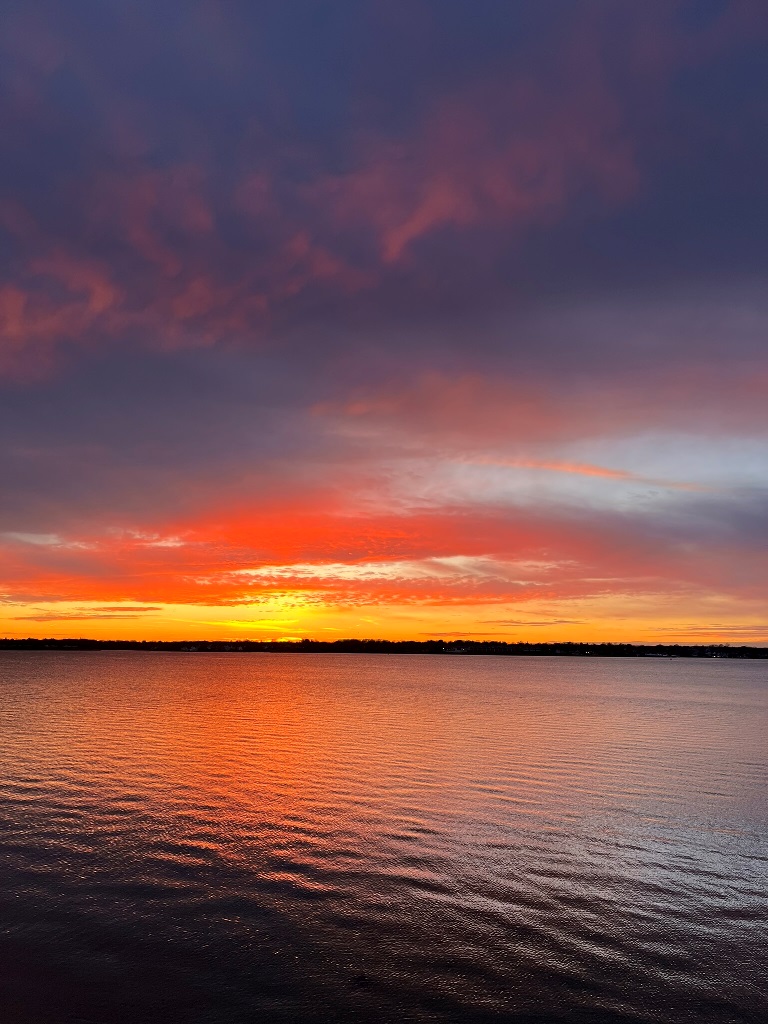
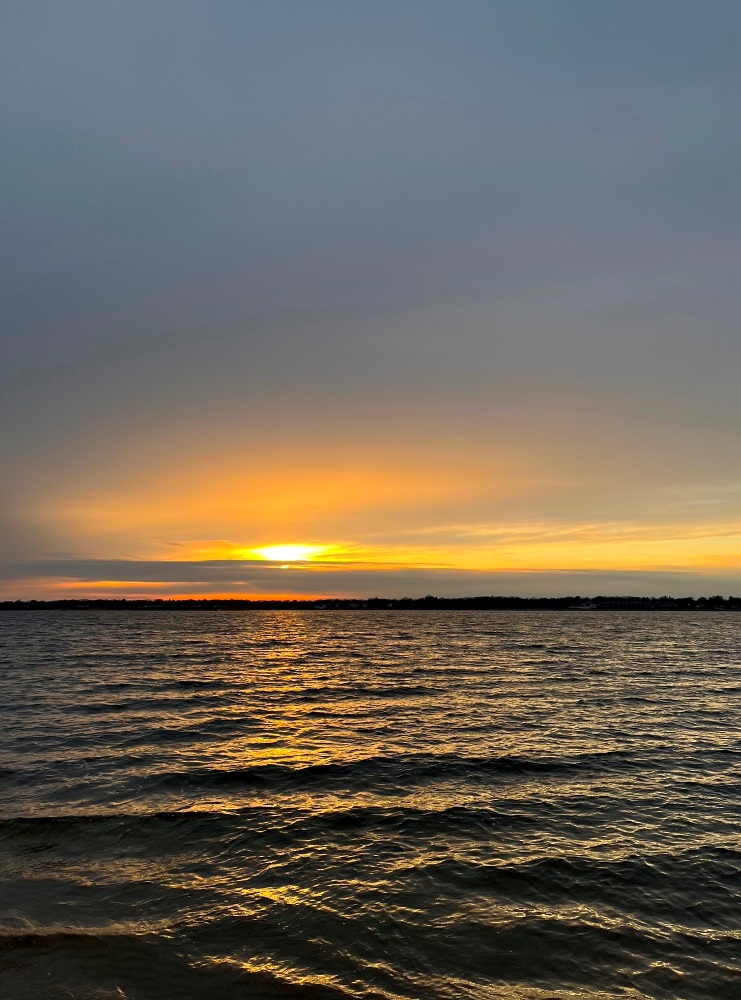
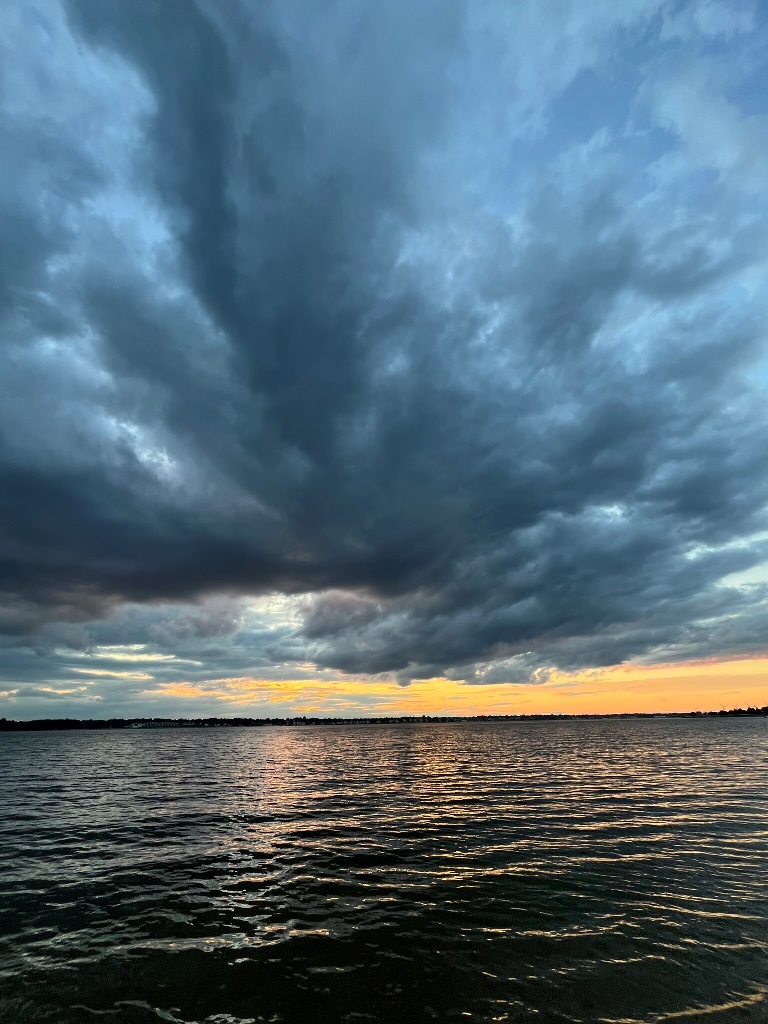
If you know me, you know I can go overboard with this. Have gone. Providence River looking west from Riverside. An infinite series. Click image for larger view.
The algorithm is showing me candy-making videos, and I have no idea why, but this is not a complaint. They are exceedingly cool. Each one starts with a full frontal shot of a hip northern European guy dispensing a giant cauldron of hot sugar syrup onto a table and announcing the candy of the day. Syrup gushes lavalike across the table, filling a flat rectangular frame, while the candy maker upends the cauldron and lets gravity work the last sticky strands loose. Once the syrup lies out on the table like a sweet, becalmed, half-inch-deep ocean, already crystallizing like ice-nine, the candy maker adds his flavors and colors. Red blue green yellow, they come in long-necked, alchemical-looking beakers, and when he pours then into the syrup they boil and bubble up, a witches’ brew. He stirs them in and smoothes them out with a small wooden spatula, each color in its own square. The ocean now resembles a painting by Mark Rothko. Then he takes his long, sharp, blue-handled shears and snap snap cuts up the painting and suddenly we are doing ceramics, pushing and smooshing, pulling and turning the rapidly cooling melt, hand molding the sugar clay into logs and rolls and slabs that get assembled in such an order to produce upon stretching into thin, stripey snakes whatever candy cross-sections the customer ordered up: ducks, suns, hearts, lemons, baby names, wedding welcomes. The finished candies are struck one by one off the ends of long, solidified bars with a tool you could use to spackle sheetrock. They pile up at the end of the production line like gemstones. The confectionary term is hard crack. I want one.
How to make sun candy, Rocks & Rolls Candy, Kapellestraat 21, 4524 CW Sluis, Netherlands.
“Something long range is taking place; in each individual — sometimes — behind the mask of this foolish person, this foolish lifetime, we see the Bodhisattva-figure who is both brilliance and compassion working for all beings. In all of us.”
— Gary Snyder, Earth House Hold, 1969
“Everyone babbles about God but I saw God this morning just as The bus slowed down for the stop at Maple Street. God was six Girls and one boy with a bright green and purple stegosaurus hat.”
— Brian Doyle, One Long River of Song: Notes on Wonder, 2019
“And in this he showed me a little thing, the quantity of a hazel nut, lying in the palm of my hand, as it seemed. And it was as round as any ball. I looked upon it with the eye of my understanding, and thought, ‘What may this be?’ And it was answered generally thus, ‘It is all that is made.’ I marveled how it might last, for I thought it might suddenly have fallen to nothing for littleness.”
Julian of Norwich, Revelations of Divine Love, 1670
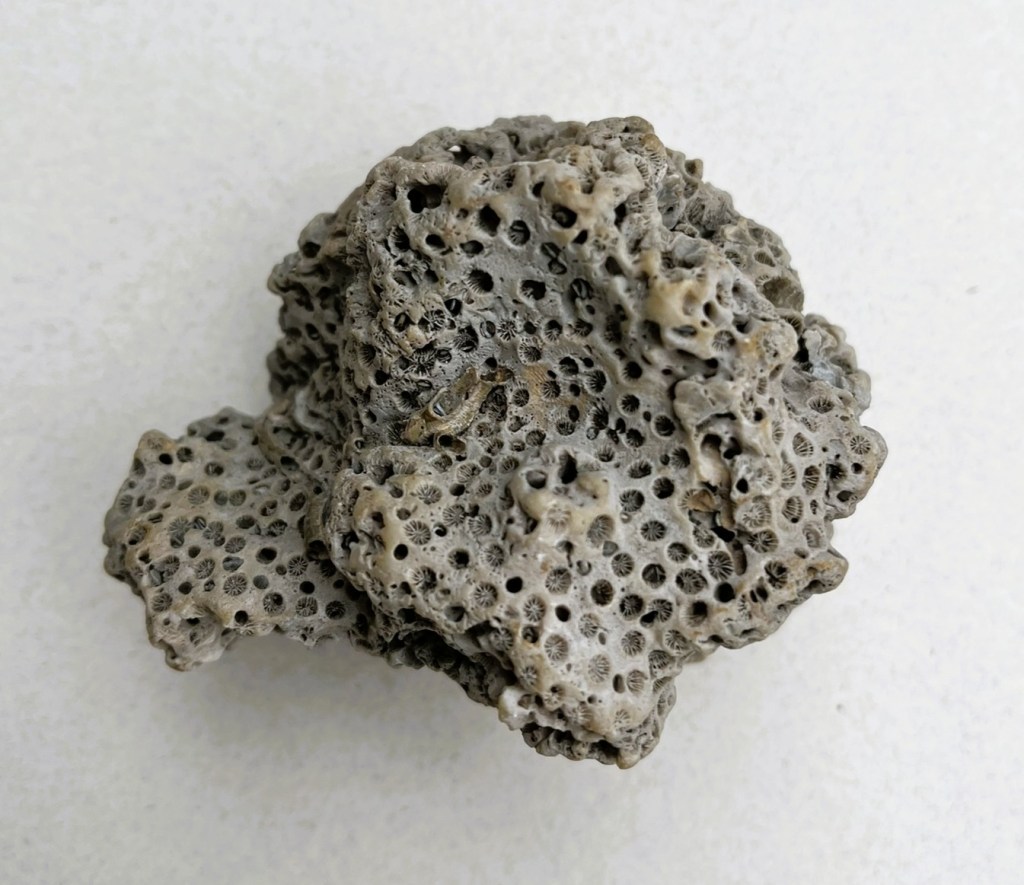
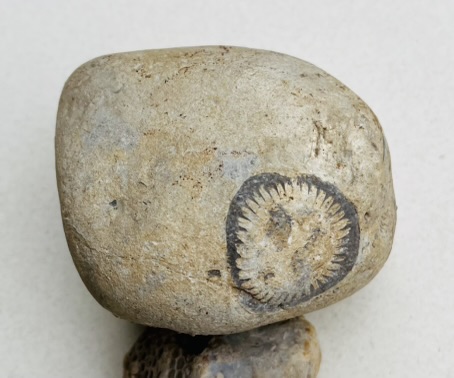
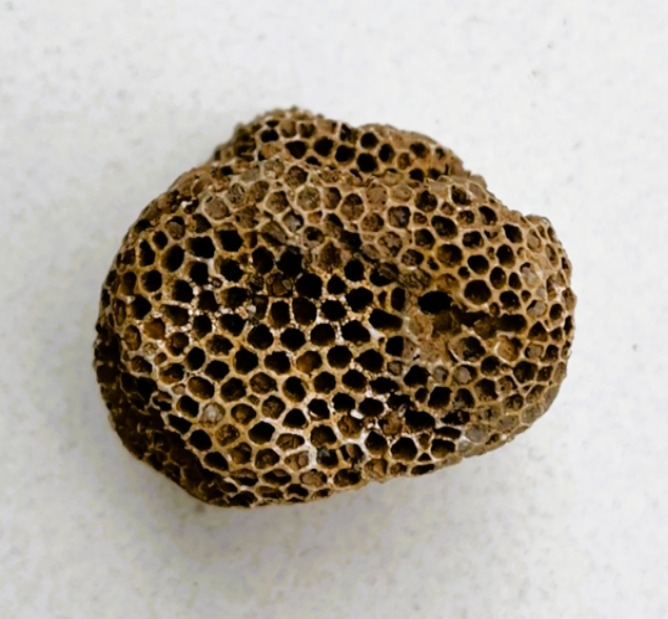
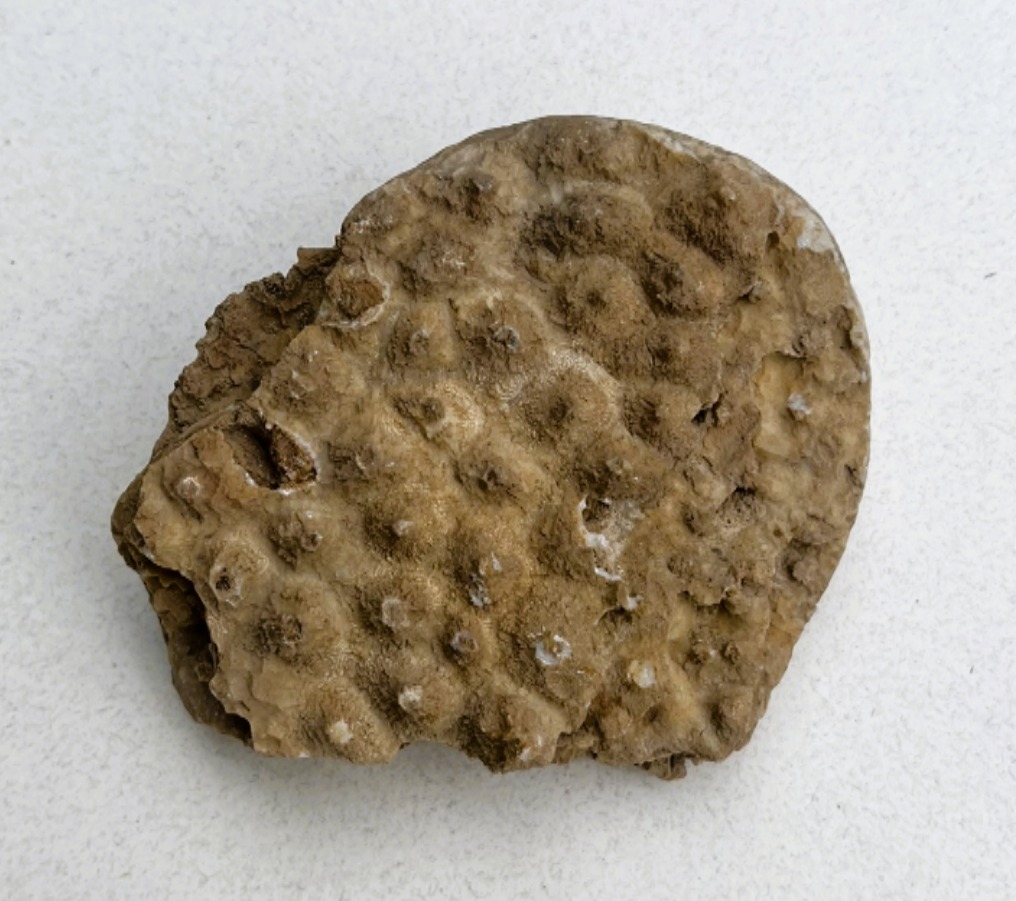
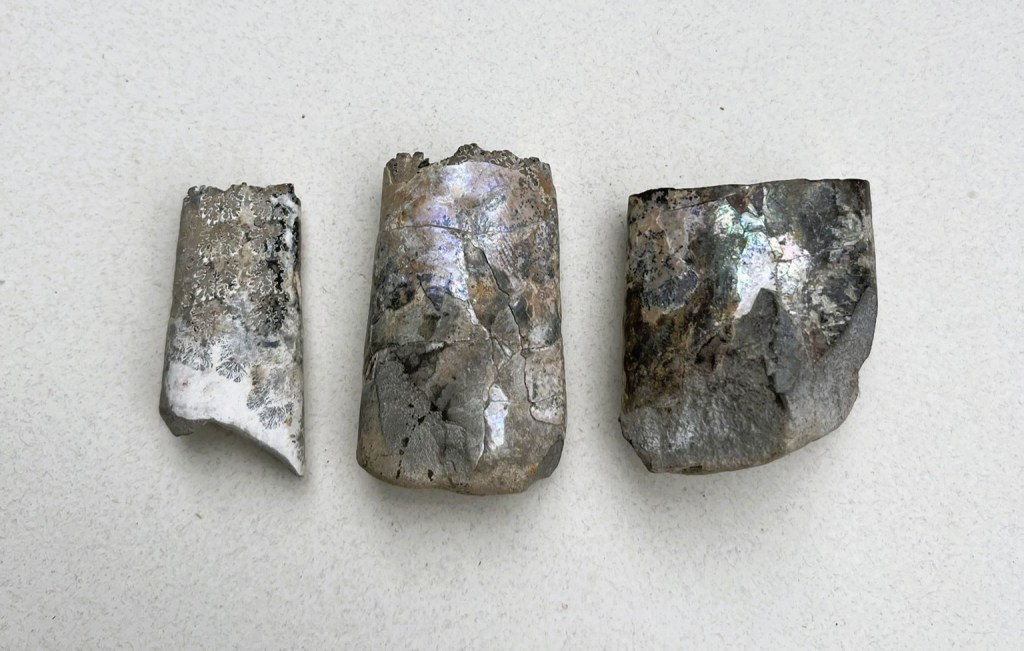
Thanks to Ellsworth Starring for showing me a mysterious box of unidentified fossils that were in his basement for decades, many of which are from South Dakota (Pierre Shale, probably) and some of which may not be.
Scleractinian coral | Paleozoic
Cross-section of solitary rugose coral | Paleozoic
Tabulate coral | Paleozoic
Stromatoporoid | Paleozoic (it’s a sea sponge)
Baculites “rainbow ammonite” | Cretaceous
Fossil shark teeth | Cenozoic (apparently there’s an Otodus meglodon tooth in there somewhere)
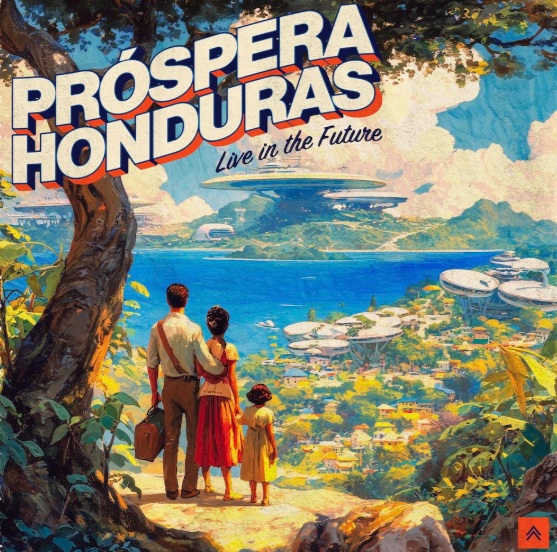
Próspera, officially known as Próspera ZEDE, is a charter city on the island of Roatán, Honduras. It is one of three Zones for Employment and Economic Development (ZEDEs) in the country, operating under a distinct fiscal, legal and regulatory framework that grants it autonomy from the national government. The project is led by Honduras Próspera Inc., which itself is funded by venture capitalists and has a veto vote in Próspera’s governing council. (from Wikipedia)
Prospera is a controversial, privately governed charter city and special economic zone on Roatán island, Honduras, backed by Silicon Valley venture capitalists including Peter Thiel, Marc Andreessen, and Balaji Srinivasan via Pronomos Capital. Aimed at creating a libertarian “startup city” with low taxes and autonomous regulations, it faces intense legal challenges from the Honduran government, which repealed the enabling law. (from Google AI Overview)
“Luxury accommodations, offices, and laboratories were planned for the ZEDE, but one of the selling points of living in Próspera was also that you didn’t have to live there — no more than Próspera’s investors lived in the Cayman Islands, where their fund was registered. Proponents of the start-up society insisted that the twenty-first century city was not made of concrete and glass so much as out of laws. … For what one scholar calls ‘roving capital,’ laws are selected and combined à la carte. The VC firm funding Próspera, for example, was registered in Wyoming. The business itself was registered in Delaware. These jurisdictions were portals to what Oliver Bullough calls Moneyland, where people can select whichever laws ‘are most suited to those wealthy enough to afford them at any moment in time.’ “
— Quinn Slobodian, Crack-Up Capitalism: Market Radicalsand the Dream of a World Without Democracy, pages 195-196
We strive to create welcoming, omni-channel experiences for our global customers.
Our staff of highly trained account managers, solution architects, and technical specialists deliver the end-to-end technology solutions and services today’s organizations and users need to function at their best.
Our global team members are both passionate ambassadors of our clients’ products and services, and visionary technology experts resolute in our pursuit to elevate their end customer journeys, solve business challenges, mitigate risks, and drive continuous innovation.
We’ve deployed millions of emails, motivated countless Facebook likes and shares and generated untold tweets and retweets.
Guided by our Humanity-in-the-loop principles, we take a responsible approach to the transformational technologies we develop and deploy by proactively considering and addressing the broader impacts of our work.
No ghosting. No noise. No irrelevant outreach.
We work diligently to understand your audience and its triggers, develop fit-for-purpose creative, and execute without requiring hand-holding.
We don’t believe in one-size-fits-all—we customize our ascent strategy for each client, but the destination remains the same: the peak of your industry.